If you are shopping for a cottage in Carmel-by-the-Sea, you already know this is not a market where square footage tells the whole story. Two homes that look similar on paper can live very differently based on lot size, beach exposure, walkability, historic status, and what the city will allow you to change. This guide will help you focus on the details that matter most so you can choose a Carmel cottage that truly fits your lifestyle. Let’s dive in.
Start With Your Carmel Lifestyle
A cottage in Carmel-by-the-Sea is often more about how you want to live than how many rooms you need. The city is just one square mile, with a preserved village feel, winding streets, and limited sidewalks outside the downtown business area, according to the City of Carmel-by-the-Sea Strategic Plan. That means your day-to-day experience can change a lot depending on where you buy.
If you want to walk to shops, restaurants, and nearby attractions more easily, look closely at cottages in or near the village core. If you prefer a quieter setting with more privacy and a more wooded feel, homes farther east may be a better fit. Carmel’s elevation rises from sea level at the beach to about 500 feet along the eastern boundary, which can create a very different sense of setting.
Understand Carmel’s Price Point
Carmel-by-the-Sea sits in a very different pricing tier than many nearby markets. Current Realtor.com market data for Carmel-by-the-Sea shows a median listing price of $4.19 million and about $2.1K per square foot.
That helps explain why choosing the right cottage is so important. At this price level, you want to be confident that the home’s location, condition, and long-term usability support your goals, whether you are buying a full-time residence, second home, or legacy property.
Look Beyond Square Footage
In Carmel, a small cottage lot can be part of the charm, but it also comes with real planning limits. The city states that on a site of 4,000 square feet or less, the maximum floor area is 45% of lot size, and a typical 4,000-square-foot lot has a base floor area of 1,800 square feet, according to the city’s Planning Division FAQs.
That number is only a starting point. The city notes that steep slopes, mature trees, and unusual lot shapes can reduce what is actually achievable. So if you are thinking, “We can always add on later,” make sure you treat that as a question to investigate, not an assumption.
Why Outdoor Space Matters
One of the biggest surprises for buyers is how broadly Carmel defines site coverage. The city counts patios, walkways, driveways, decks, steps, decomposed granite, gravel, trash enclosures, and hot tubs as site coverage in its planning guidance.
That means a charming outdoor living setup can affect how much flexibility remains on the lot. If outdoor entertaining, gardens, or a reworked entry are part of your wish list, it is smart to evaluate those features early when comparing homes.
Check Remodel Potential Early
Many buyers fall in love with a Carmel cottage and immediately start imagining updates. That can work, but the city’s rules are an important part of the decision. Most exterior alterations and changes to site coverage require design review permits, and the city allows a maximum of two stories, according to the Planning Division FAQs.
There are also location-specific constraints. In the Beach and Riparian Overlay District west of Carmelo Street, the height limit is 18 feet. Since Carmel is entirely within the coastal zone and has a certified Local Coastal Program, homes near the beach may also face an added layer of coastal review.
Historic Status Can Change Everything
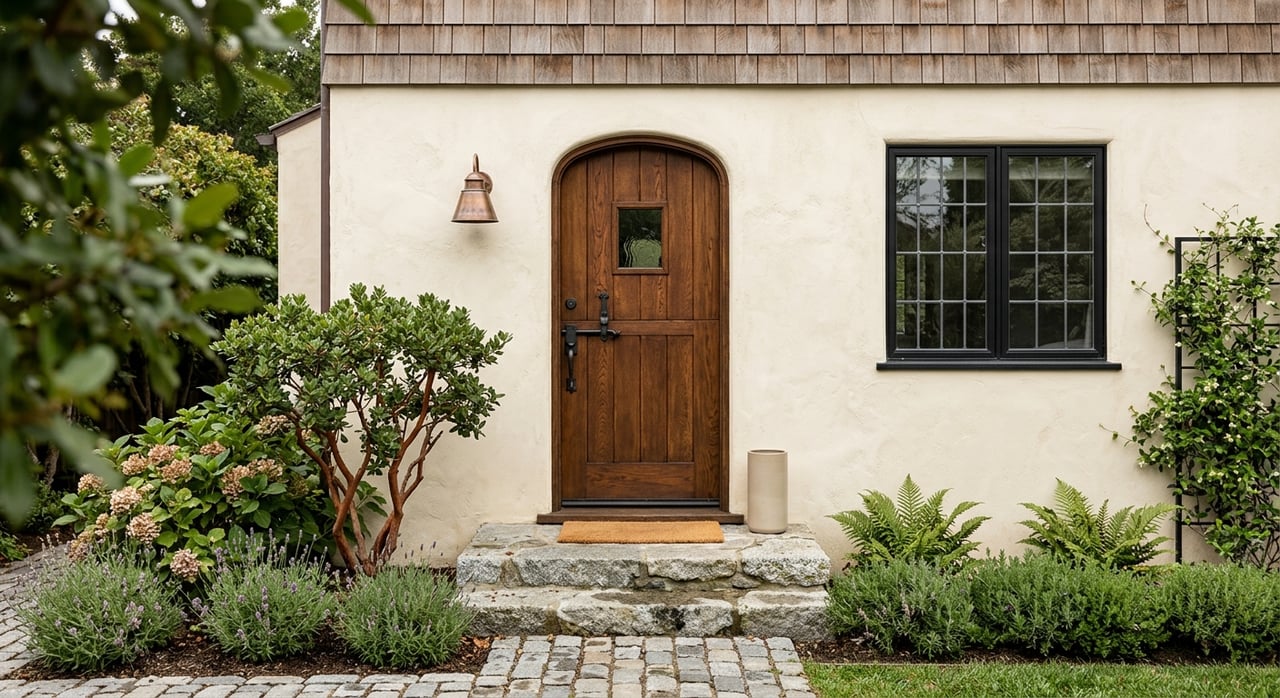
Carmel’s storybook architecture is a major part of its identity. The city’s historic context statement notes that Hugh Comstock developed the Fairy Tale style that Carmel is closely associated with.
That charm can also come with restrictions. The city says that if a structure is deemed historic, it cannot be demolished, and additions or alterations must be consistent with the Secretary of the Interior’s Standards, as explained in the Planning Division FAQs. If flexibility matters to you, verify historic status before you commit.
Weigh Beach Access Against Exposure
For many buyers, being close to Carmel Beach is the dream. There is no question that cottages near the beach offer a special lifestyle and immediate access to one of the area’s defining features. But beach-close living also deserves careful due diligence.
The city’s Strategic Plan says the area immediately adjacent to Carmel Beach is environmentally sensitive. It also states that the area west of Scenic Road is part of the city’s floodplain and is subject to coastal flooding, erosion, and tsunami inundation. In practical terms, that means a beach-area cottage may offer unmatched atmosphere, but you should also pay close attention to exposure, maintenance needs, and insurance considerations.
Think Carefully About Walkability
Walkability means different things in Carmel than it does in a more urban grid. The city notes in its Strategic Plan that sidewalks are scarce outside downtown and many streets are winding.
If you picture yourself walking to coffee, dinner, galleries, or the beach without relying much on a car, location should be one of your top filters. If you are comfortable with a more relaxed, car-dependent pattern and want a tucked-away setting, your search can widen to the edges of town.
Pay Attention to Carmel’s Streetscape Rules
Part of what makes Carmel feel so distinctive is that the streetscape is intentionally preserved. The city encourages a natural, informal right-of-way with native drought-tolerant landscaping and prohibits features such as boulders, gravel, no-parking signs, planters, and other structures in the front right-of-way, according to the city’s remodeling guidance.
For buyers, this matters because curb appeal is not just about the house itself. It is also about how the property fits into Carmel’s broader village character. If exterior presentation is a big part of your buying decision, it helps to understand where personal taste ends and local rules begin.
Know the Rental Rules
If you are hoping your cottage could double as a short-term rental, Carmel may not be the best match. The city states that transient rentals may not be rented for fewer than 30 days in the Single-Family Residential Zoning District, based on the city’s remodeling and property guidance.
That does not make a Carmel cottage less appealing, but it does mean your purchase decision should be rooted in personal use, long-term ownership goals, or other plans that fit local regulations. For many buyers, this is a lifestyle purchase first.
Expect a Strong Sense of House History
Carmel has a house-history culture that is unlike many other markets. The city library points buyers and residents to historic newspapers, city directories, property files, Sanborn maps, historic inventories, and a “House Names in Carmel” map through the city’s maps and buildings resources.
There is also a practical twist. The city’s street address information says its draft numbered-address system has not been finalized or implemented. As a result, a cottage’s identity can feel tied to its parcel, house name, and history as much as a conventional street address.
For some buyers, that is part of the magic. For others, it simply means you should be extra careful during due diligence to confirm records, permits, and property details.
Compare Carmel With Nearby Alternatives
Sometimes the best way to choose the right Carmel cottage is to confirm that Carmel is truly the right market for you. Nearby areas offer very different value propositions.
| Location | Median Listing Price | Price Per Sq. Ft. | Key Tradeoff |
|---|---|---|---|
| Carmel-by-the-Sea | $4.19M | $2.1K | Iconic charm, village setting, small-lot cottages |
| Pacific Grove | $1.35M | $1.1K | Coastal town feel with lower entry pricing |
| Carmel Valley Village | $2.14M | $845 | More land, privacy, and inland setting |
Current Realtor.com data for Pacific Grove shows about 45 homes for sale, a $1.35 million median listing price, and $1.1K per square foot. Current Realtor.com data for Carmel Valley Village shows about 27 listings, a $2.14 million median listing price, and $845 per square foot.
If you want the classic Carmel combination of village character, small-lot charm, and walkability, Carmel-by-the-Sea stands apart. If you want a coastal setting with more inventory and a lower entry point, Pacific Grove may be worth a look. If you want more land and privacy, Carmel Valley Village offers a very different product.
A Simple Way to Narrow Your Search
When you tour cottages in Carmel-by-the-Sea, try ranking each home by five core factors:
- Location fit for your daily lifestyle
- Walkability versus privacy
- Lot usability and outdoor flexibility
- Remodel potential and historic constraints
- Beach proximity versus exposure and maintenance
This approach helps you compare homes more clearly. In Carmel, the right cottage is usually the one that balances these factors in a way that matches how you actually want to live.
If you want help sorting through the tradeoffs, neighborhood by neighborhood and property by property, Peter Boggs can help you evaluate Carmel cottages with a local, practical lens so you can move forward with confidence.
FAQs
What should you look for first in a Carmel-by-the-Sea cottage?
- Start with lifestyle fit, especially walkability, beach access, privacy, and whether you want to be near the village core or in a quieter setting.
How much can you expand a cottage in Carmel-by-the-Sea?
- It depends on the lot size, shape, slopes, trees, site coverage, and local review requirements; the city says a typical 4,000-square-foot lot has a base floor area of 1,800 square feet, but actual buildability may be lower.
Are Carmel-by-the-Sea cottages good short-term rentals?
- In the Single-Family Residential Zoning District, the city says transient rentals may not be rented for fewer than 30 days, so buyers should not assume short-term rental use will be allowed.
Do historic rules affect Carmel-by-the-Sea cottages?
- Yes. If a structure is deemed historic, the city says it cannot be demolished, and changes must be consistent with the Secretary of the Interior’s Standards.
Is a beach-close cottage in Carmel-by-the-Sea always the best choice?
- Not always. Beach-close homes can offer great access and atmosphere, but the city notes that some nearby areas face floodplain, erosion, coastal flooding, and tsunami inundation concerns.
How does Carmel-by-the-Sea compare with Pacific Grove and Carmel Valley Village?
- Carmel is generally the best fit if you want iconic village charm and a small-lot cottage setting, while Pacific Grove offers a lower coastal entry point and Carmel Valley Village offers more land and privacy.