If you are thinking about freshening up your Carmel-by-the-Sea home before it hits the market, one small mistake can create a bigger delay than you expect. In Carmel, remodeling rules are layered, public records are easy to review, and even projects that seem simple can trigger planning, building, historic, coastal, or water-related requirements. If you want to improve your home without creating buyer questions later, it helps to know where the real friction points are before you start. Let’s dive in.
Why Carmel remodeling rules matter
Carmel-by-the-Sea has a review process that is more detailed than many sellers expect. The city separates Planning review from Building review, which means a project can involve appearance, zoning, historic rules, and life-safety compliance at the same time.
That matters because pre-listing updates often focus on curb appeal. In Carmel, exterior changes are usually the projects most likely to trigger review, while many interior cosmetic updates are much simpler to complete.
Planning review and building permits are different
The Planning Division looks at design guidelines, zoning, historic resource rules, and the finished appearance of the property. The Building Division reviews construction and life-safety code compliance.
According to the city, a planning permit is typically required when you propose exterior changes, additions, site-coverage changes, or changes in use. The city also notes that even minor cosmetic work, including paint, can trigger planning review.
For sellers, the takeaway is simple: do not assume a project is too small to matter. If the work affects the outside of the home or site, it is smart to confirm requirements before scheduling contractors.
Exterior projects are the biggest trigger
Many of the projects sellers consider before listing fall into the category that most often requires approval. Carmel says most exterior alterations and site-coverage changes require Planning Department approval, and most construction, re-roofing, plumbing, driveway replacements, demolition, and structural additions or changes require a building permit.
That does not mean you should avoid all improvements. It means you should be strategic about timing, scope, and documentation so your listing prep supports the sale instead of slowing it down.
Projects that often need review
Common examples include:
- Exterior paint or finish changes
- New or altered windows
- Roof replacement
- Driveway replacement
- Structural changes or additions
- Demolition work
- Exterior landscaping tied to grading or design review
If your goal is a faster path to market, these are the projects to review carefully first.
Historic status can add another layer
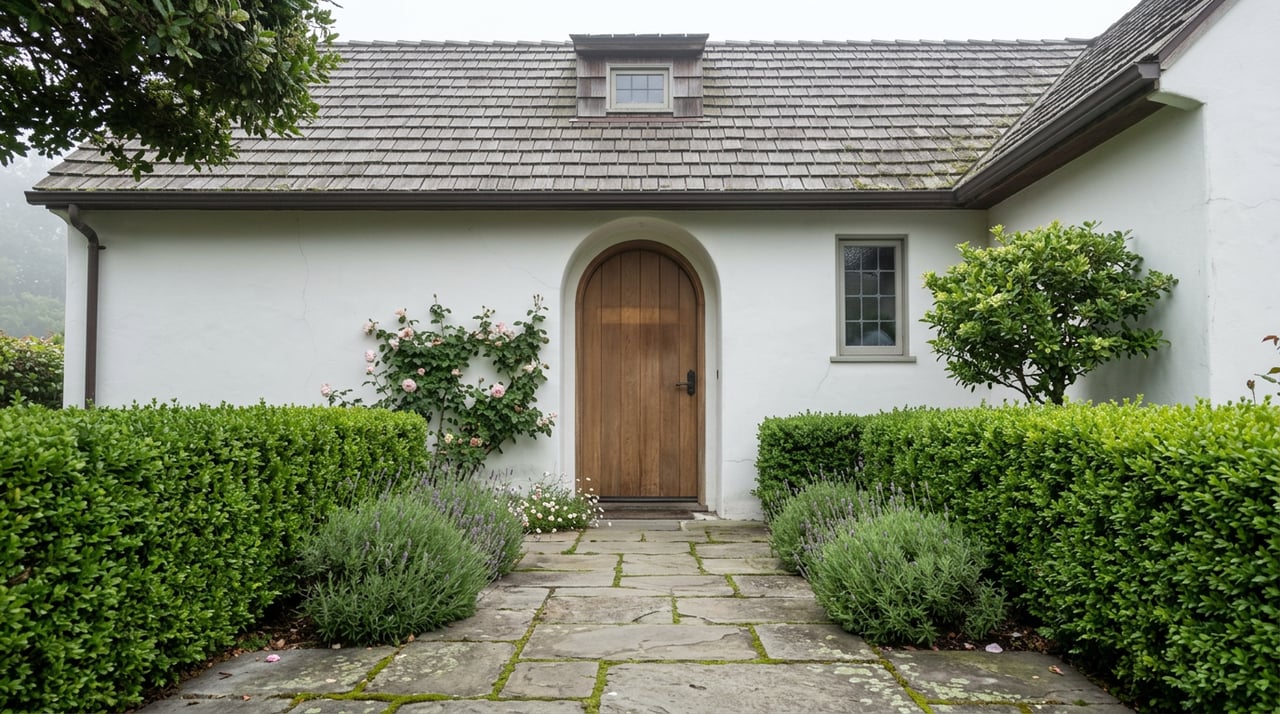
Historic review is a major issue in Carmel and one that sellers should not overlook. If your property is on the Historic Resources inventory, exterior alterations require a historic evaluation before development review, plus review by the city’s Historic Preservation Consultant and approval by the Historic Resources Board.
The city also states that a historic structure cannot be demolished. Even if your home is not on the inventory, a historic evaluation may still be required before exterior permits if the property is more than 50 years old.
What this means for older homes
If you own an older Carmel home, it is wise to check historic status early in your pre-listing plan. That one step can help you avoid designing a project that later needs a different level of review.
It can also shape how you position the property. Buyers often want to know what has been approved in the past and what future changes may be possible.
Window replacements are not simple swaps
Windows are one of the clearest examples of how Carmel treats design seriously. The city says changes to window materials, size, or placement require Planning Department approval.
The city also notes that unclad wood windows with external divided lights are the standard, while vinyl windows are not considered appropriate. For sellers, that means a window project should never be treated like a quick retail replacement decision.
If you are considering new windows before listing, confirm what is allowed before ordering materials. That can save time, money, and frustration.
Floor area and site coverage can limit expansion
Some sellers think about adding usable space before selling, especially in high-value coastal markets. In Carmel, floor area and site coverage rules can sharply limit what is possible.
The city states that floor area includes enclosed spaces such as basements, mezzanines, guesthouses, studios, garages, and carports. On sites under 4,000 square feet, base floor area is limited to 45%, while site coverage is limited to 22% of base floor area, with a possible 4% site-coverage bonus if at least half of the coverage is permeable.
The city also says that properties already exceeding allowed site coverage generally cannot add floor area unless site coverage is reduced. In plain terms, if your lot is already built close to its limit, an addition may not be realistic.
Height rules matter too
Height restrictions can affect remodel plans as well. The city says most lots are limited to two stories, and property west of Carmelo Street in the Beach and Riparian Overlay District has an 18-foot height limit.
If your pre-listing plan includes adding volume, changing rooflines, or repositioning upper-level space, these limits should be checked first.
Interior cosmetic work is usually easier
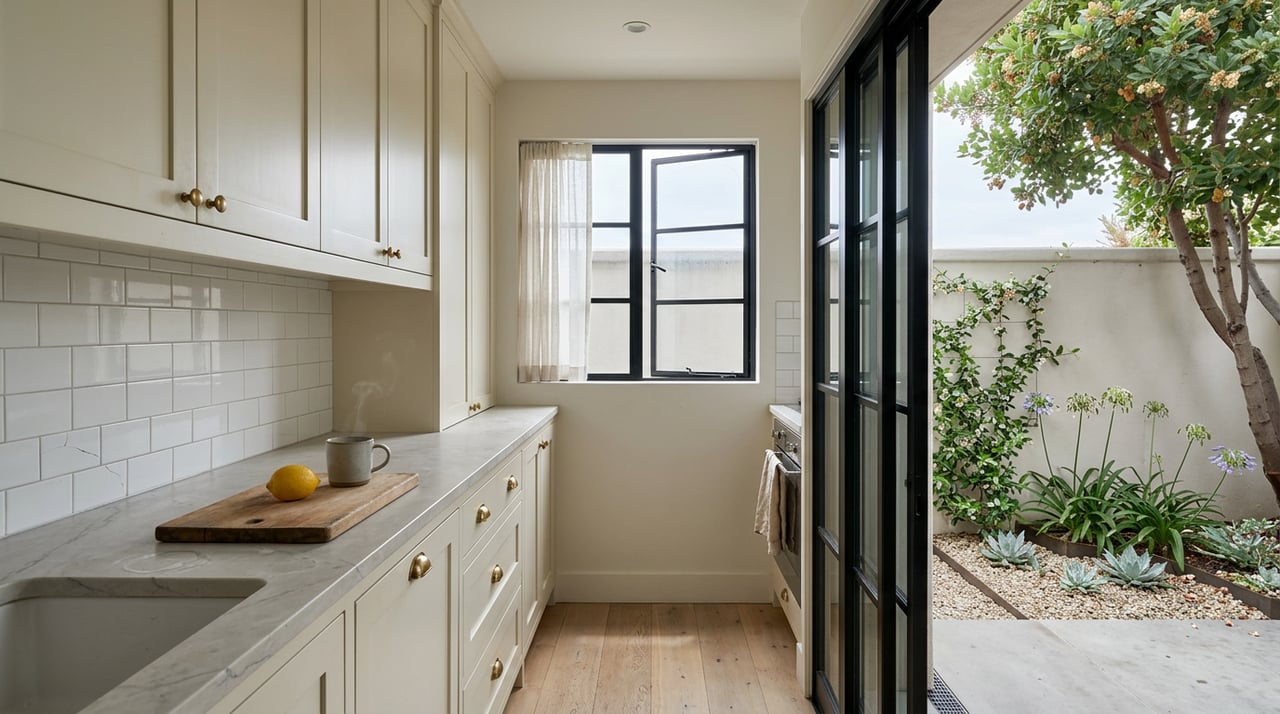
The lowest-friction pre-listing projects are often the ones that improve presentation without changing the exterior or structural systems. Carmel says interior modifications such as cabinets, flooring, countertops, and painting do not require planning review or a building permit application.
That makes these updates especially appealing for sellers who want a cleaner, more polished look without inviting a lengthy review process. If you want the best mix of visual impact and lower approval risk, interior finish work is often the smartest place to start.
Landscaping can trigger water district review
Landscaping is another area where sellers can get caught off guard. In this area, the Monterey Peninsula Water Management District, or MPWMD, has its own landscape rules.
Those rules apply to new landscapes over 500 square feet and refurbished landscapes over 2,500 square feet when tied to grading, building, landscape, or design review. MPWMD requires a landscape documentation package before construction and a certificate of completion afterward.
If your listing prep includes a major yard refresh, ask early whether the project crosses one of these thresholds. A simple cleanup is very different from a large redesign.
Water compliance is part of the sale
In Carmel, water issues are not just a remodeling issue. They are part of the transfer process itself.
MPWMD says all real property transfers trigger specific water-conservation requirements, and a Water Conservation Certification Form is required upon transfer of title. Rule 144 requires plumbing fixtures in existing structures to comply with the district’s low-water-use standards at change of ownership or change of use.
The rule also says the selling owner or authorized agent must certify compliance through an inspection report, city or county official documentation, or owner certification. MPWMD further states that it is a violation for a buyer or seller to instruct escrow to close a sale that does not comply.
Open water permits can cause delays
If you want to intensify water use, add a meter, or change meter size, a Water Permit is required. MPWMD says ordinary Water Permits can often be processed within about a week if no deed restrictions are needed.
The district also explains that an open permit can mean a prior Water Permit was never finaled, a violation has not yet been verified as corrected, or fees are still owed. For sellers, that makes early file review especially important.
Water credits may still matter
MPWMD also documents water credits for permanent abandonment of prior water use, including fixture removal, demolition, or installation of higher-efficiency appliances. These credits are generally time-limited to ten years and are typically used on the same site, subject to district rules.
If your property has a history of changes that reduced water use, those records may be worth locating before listing.
Public records make documentation important
Carmel makes property files and permit history public. The city says it has digitized electronic permit history for parcels in the city, and that plans and permit information are publicly available.
That means buyers and their agents can often review what was approved, what appears unfinished, and whether major work lines up with the record. A clean file can help reduce uncertainty, while unanswered permit or water questions can make buyers pause.
A smart pre-listing order for sellers
If you are deciding what to do before listing, the most effective first step is not choosing paint colors or fixtures. It is understanding what the city and water district already have on file.
A practical order looks like this:
- Pull the property’s permit history.
- Confirm whether the home is historic or likely to need historic evaluation.
- Verify floor-area, site-coverage, and height limits before planning exterior work.
- Review whether water certification will be needed at closing.
- Check for open water permits, unresolved issues, or possible water credits.
- Focus on lower-friction interior updates if timing is tight.
For many sellers, this process creates a clearer plan and reduces the chance of surprises once the property is on the market.
How this helps your sale
In a market like Carmel-by-the-Sea, presentation matters, but so does clarity. Buyers want a beautiful home, and they also want confidence about what was done properly and what future changes may or may not be possible.
When you understand the rules before remodeling, you can make smarter decisions about where to spend money, what to document, and which projects are worth doing before listing. That can help your home come to market with fewer questions and a stronger overall story.
If you are preparing to sell in Carmel-by-the-Sea and want a practical plan for improvements, pricing, and pre-listing preparation, Peter Boggs can help you map out the right next steps.
FAQs
What remodeling projects in Carmel-by-the-Sea usually need permits?
- Most exterior alterations, site-coverage changes, re-roofing, driveway replacements, demolition, plumbing work, and structural additions or changes typically require city review or permits.
Do interior updates in Carmel-by-the-Sea usually require approval?
- Interior finish work such as cabinets, flooring, countertops, and painting usually does not require planning review or a building permit application.
Do older Carmel-by-the-Sea homes need historic review before exterior work?
- If a property is on the Historic Resources inventory, exterior changes require historic evaluation and review, and even homes not listed may need historic evaluation if they are more than 50 years old.
Are window replacements in Carmel-by-the-Sea subject to planning review?
- Yes. Changes to window materials, size, or placement require Planning Department approval, and the city says vinyl windows are not appropriate.
What water compliance do Carmel-by-the-Sea sellers need before closing?
- MPWMD requires a Water Conservation Certification Form upon transfer of title, and existing plumbing fixtures must comply with low-water-use standards at change of ownership.
Why should Carmel-by-the-Sea sellers check permit history before listing?
- The city makes permit history and property files publicly available, so buyers can review prior approvals and records during the sale process.