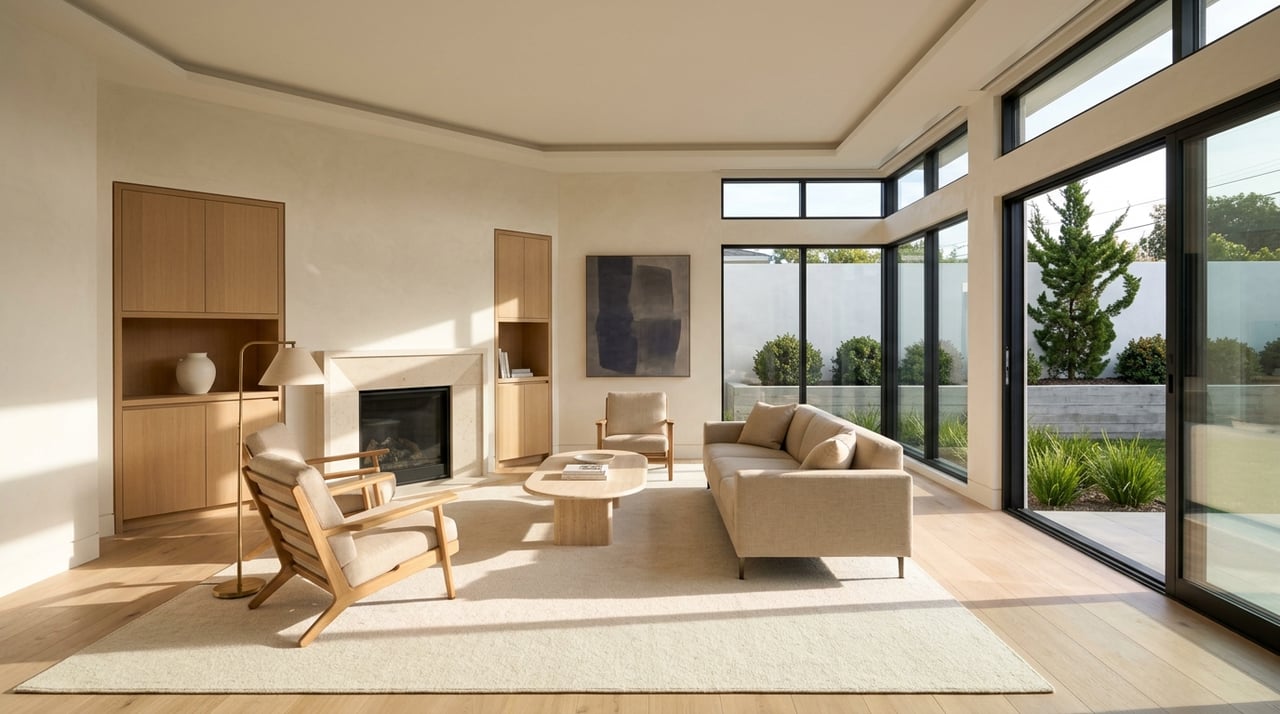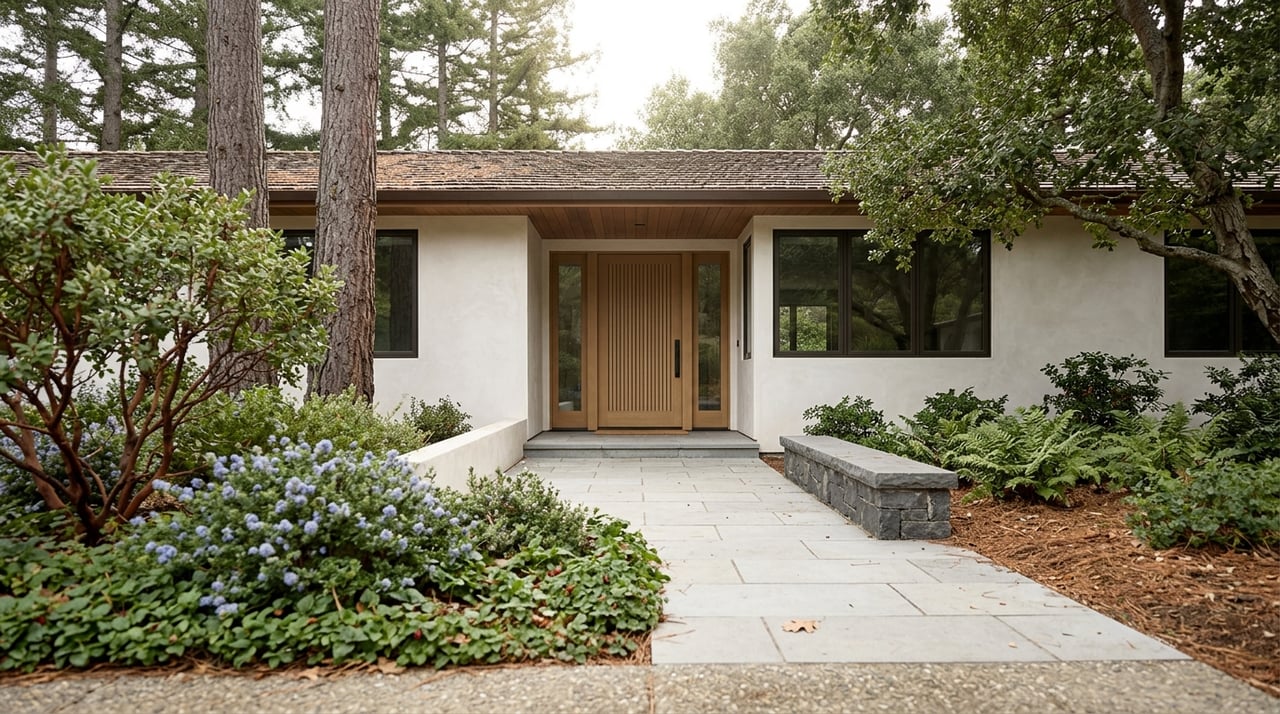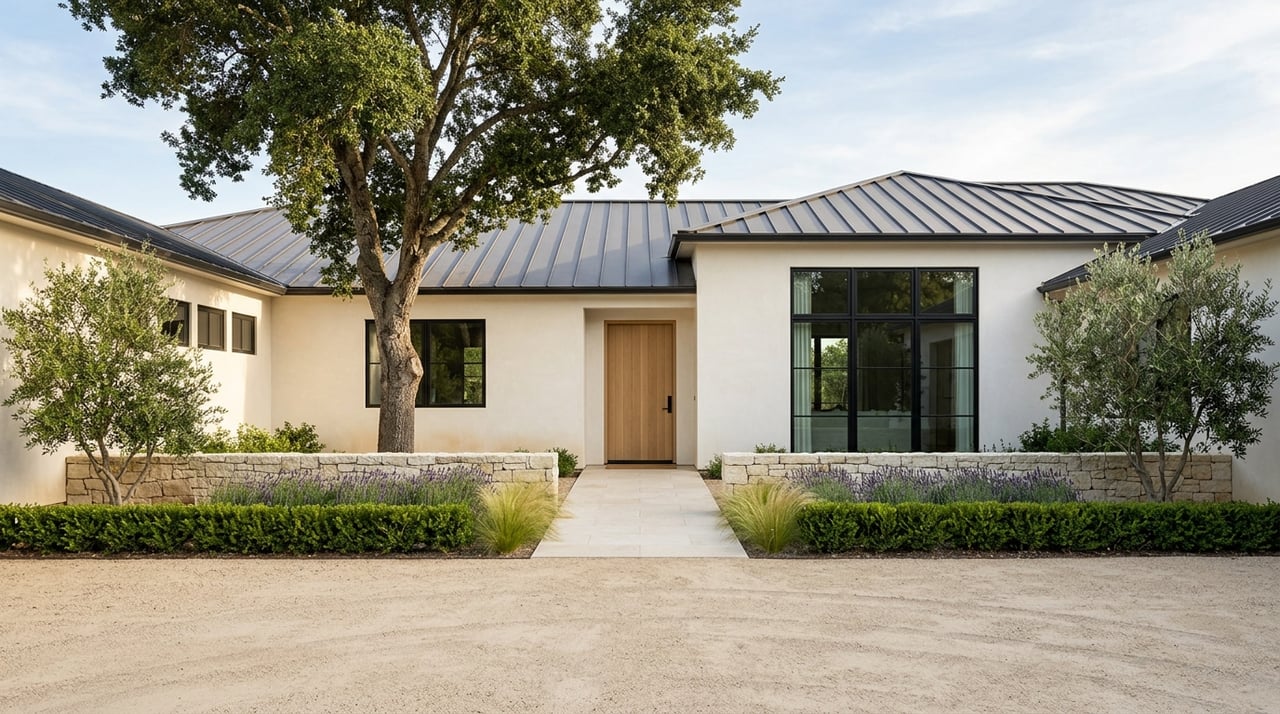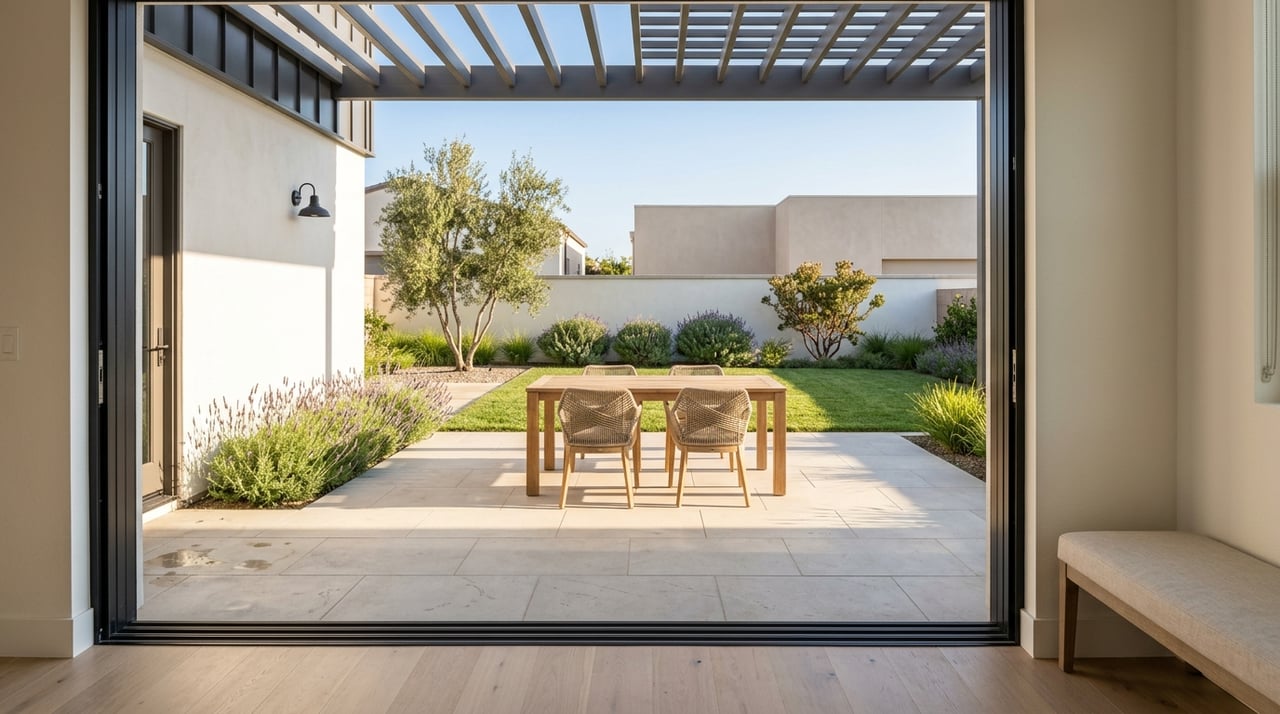
If you are deciding between Carmel Valley and the coast, you are really choosing between two very different ways to spend your everyday life. One offers warmer afternoons, more open space, and a rural-residential feel. The other brings cooler ocean air, walkable access to the shoreline, and a village-style setting. Understanding those day-to-day differences can help you choose with more confidence. Let’s dive in.
Weather Feels Different Fast
One of the biggest differences between Carmel Valley and the coast is the microclimate. Carmel Valley tends to be warmer while still feeling some ocean influence. Climate data shows average highs in Carmel Valley range from 64.3°F in January to 81.4°F in September.
On the coast, temperatures stay cooler and more moderate through the year. Coastal data and local planning documents describe a climate with average highs generally staying between 60°F and 71°F, with fog most common from July through September. In practical terms, that often means cooler mornings, more marine layer, and less heat during summer.
NOAA’s marine-layer explanation helps clarify why the difference can feel so noticeable. Under some conditions, the marine layer stays close to the coast. Under others, it can deepen and move inland, but Carmel Valley still typically sees warmer, sunnier afternoons than the shoreline areas.
Carmel Valley Daily Living
Carmel Valley is shaped by a more rural-residential pattern. Monterey County planning documents describe the area as a mix of residential development, small-scale agricultural uses, and recreational amenities, with open space playing a major role in its identity.
That changes how daily life feels. You are more likely to think about trail access, backyard space, and a little breathing room between properties. The landscape itself, including landforms, water systems, and native vegetation, is part of what gives the valley its character.
Recreation in Carmel Valley leans inland. County materials point to assets such as Garland Ranch Regional Park and Jacks Peak Regional Park, along with uses like golf and tennis. If your ideal weekend includes hiking, open views, and a little more sunshine, that setting may feel like a natural fit.
Coastal Living on the Peninsula
The coastal side of the Monterey Peninsula centers more directly on the ocean. Planning documents for Pacific Grove and Carmel-by-the-Sea emphasize beaches, coastal bluffs, marine habitat, dunes, preserves, and shoreline access as defining features of the area.
That usually translates into a different routine. You may find yourself planning around beach walks, tide pools, coastal trails, and foggy summer mornings that clear later in the day. The coast often feels more compact and connected to the water at nearly every turn.
For many buyers, that is the appeal. If you picture everyday living with ocean air, village streets, and easy access to shoreline scenery, the coast offers a strong lifestyle match. The trade-off is that you are usually giving up some warmth and space.
Housing Style and Space
Housing stock is another major point of contrast. Carmel Valley is not a compact village housing market. County planning documents describe it as primarily rural residential, with development concentrated near certain commercial areas and lower-density character in between.
That often means more room for ranch-style homes, estate properties, or acreage-oriented layouts. The site logic is different from the coast. Instead of maximizing a small parcel near the water, many valley properties are defined by land, privacy, and separation.
Carmel-by-the-Sea, by comparison, is built out and village-like. The city’s housing element states that all residential lots are small, about half of R-1 parcels are 4,000 square feet, and 82% of the housing stock is single-family detached.
That creates a very different buyer experience. On the coast, value is often concentrated in location, architectural identity, and what can be done within a smaller footprint. If you are drawn to cottages, historic character, or a compact homesite close to coastal amenities, the coast may feel more compelling.
Regulation and Project Timelines
Lifestyle is only part of the conversation. If you are considering updates, expansion, or a custom project, regulation matters too. Coastal areas in Monterey County generally involve more review and more discretionary approval than inland areas.
County permit guidance notes that coastal permits can involve design review for exterior appearance, siting, materials, colors, fences, and other exterior changes in some areas. The City of Carmel also notes that it is entirely within the California coastal zone and subject to California Coastal Commission regulation.
Project timelines can reflect that extra review. Carmel’s housing element says typical processing times are about 6 to 7 months for a single-family home and 8 to 10 months for multifamily or mixed-use projects. It also notes that projects increasing a structure’s height or floor area by 10% or more can require a coastal development permit.
Carmel Valley has its own planning considerations, but they are different. County floodplain guidance highlights the need to protect the Carmel River corridor, preserve rural character, and reduce flood-related hazards. Review may also consider drainage and water supply impacts, so more space inland does not always mean a simpler path for every project.
Choosing Based on Routine
A helpful way to compare these areas is to think beyond the home itself. Ask yourself how you want a normal Tuesday to feel. Do you want warmer afternoons, more room outside, and easier access to parks and inland recreation?
Or do you want cooler air, coastal scenery, and a setting built around the shoreline? Both lifestyles are appealing, but they serve different priorities. The right fit usually comes down to what you want your daily rhythm to look like.
Quick Comparison at a Glance
| Category | Carmel Valley | Coast |
|---|---|---|
| Typical climate | Warmer inland valley climate with ocean influence | Cooler, more moderate, and more fog-prone |
| Summer feel | Sunnier afternoons and more heat | Marine layer mornings and cooler days |
| Outdoor focus | Trails, parks, golf, tennis, open space | Beaches, bluffs, preserves, tide-pool and shoreline access |
| Housing pattern | Rural residential, lower density, more land-oriented | Built-out village pattern with smaller lots |
| Property feel | More room, separation, and estate or ranch-style options | Compact sites, cottages, and coastal architectural character |
| Permitting context | Water, drainage, slope, and floodplain issues can matter | More coastal review and design oversight |
Which Option Fits You Best?
Carmel Valley often fits buyers who want sun, space, and a quieter rural-residential setting without leaving the Monterey Peninsula area. It can be especially appealing if outdoor time for you means hiking, enjoying a larger yard, or having a little more distance between homes.
The coast often fits buyers who care most about ocean access, village charm, and a cooler coastal climate. If your idea of home includes beach walks, a smaller homesite, and strong connection to the shoreline, that side of the market may be the better match.
There is no one-size-fits-all answer. The best choice depends on how you live, what kind of property experience you want, and how much importance you place on space, weather, and project flexibility. When you look at both the lifestyle and the real estate realities, the picture usually becomes much clearer.
If you are weighing Carmel Valley against the coast and want local guidance grounded in real day-to-day differences, Peter Boggs can help you compare options and find the right fit for your goals.
FAQs
How does weather in Carmel Valley compare with the coast?
- Carmel Valley is typically warmer and sunnier, with average highs from 64.3°F in January to 81.4°F in September, while coastal areas stay cooler, generally between 60°F and 71°F with more fog, especially in summer.
What is everyday outdoor living like in Carmel Valley?
- Carmel Valley daily life is often oriented around open space, trails, parks, golf, tennis, and larger private outdoor areas rather than beach-centered recreation.
What is everyday outdoor living like on the coast near Carmel?
- Coastal daily living is more connected to beaches, coastal bluffs, preserves, marine scenery, and shoreline activities such as walking near the water or exploring tide-pool areas.
How is housing in Carmel Valley different from housing on the coast?
- Carmel Valley generally has a lower-density, rural-residential pattern with more land-oriented properties, while the coast tends to have smaller lots, a built-out village feel, and a stronger focus on location and architectural character.
What should buyers know about remodeling or building on the coast near Carmel?
- Coastal properties may involve more permitting review, including design oversight and coastal-zone rules, and some projects in Carmel can require a coastal development permit depending on the scope of changes.
What should buyers know about property constraints in Carmel Valley?
- Carmel Valley buyers should pay attention to issues such as floodplain rules, drainage, water supply, and site conditions because those factors can influence what is possible on a property.