Wondering how to make an acreage home in Carmel Valley feel polished, manageable, and ready for serious buyers? When your property includes more land, more landscaping, and more outdoor features, getting it market-ready is about much more than tidying up the house. You need a plan that helps buyers see value, understand upkeep, and move through escrow with fewer surprises. Let’s dive in.
Why acreage presentation matters
In Carmel Valley, buyers often judge a larger-lot home by the land as much as the residence itself. They are likely to notice privacy, access, driveway condition, tree health, and whether the outdoor space feels usable and well maintained.
Because Carmel Valley includes open-space areas, trails, parks, and a recreation-centered community layout, outdoor presentation carries extra weight. A strong first impression usually comes from a property that feels orderly, water-wise, and low-risk rather than overly lush or hard to manage.
Focus on usable outdoor space
Acreage alone does not sell the story. What matters more is whether buyers can quickly understand how the land works for daily living, entertaining, and maintenance.
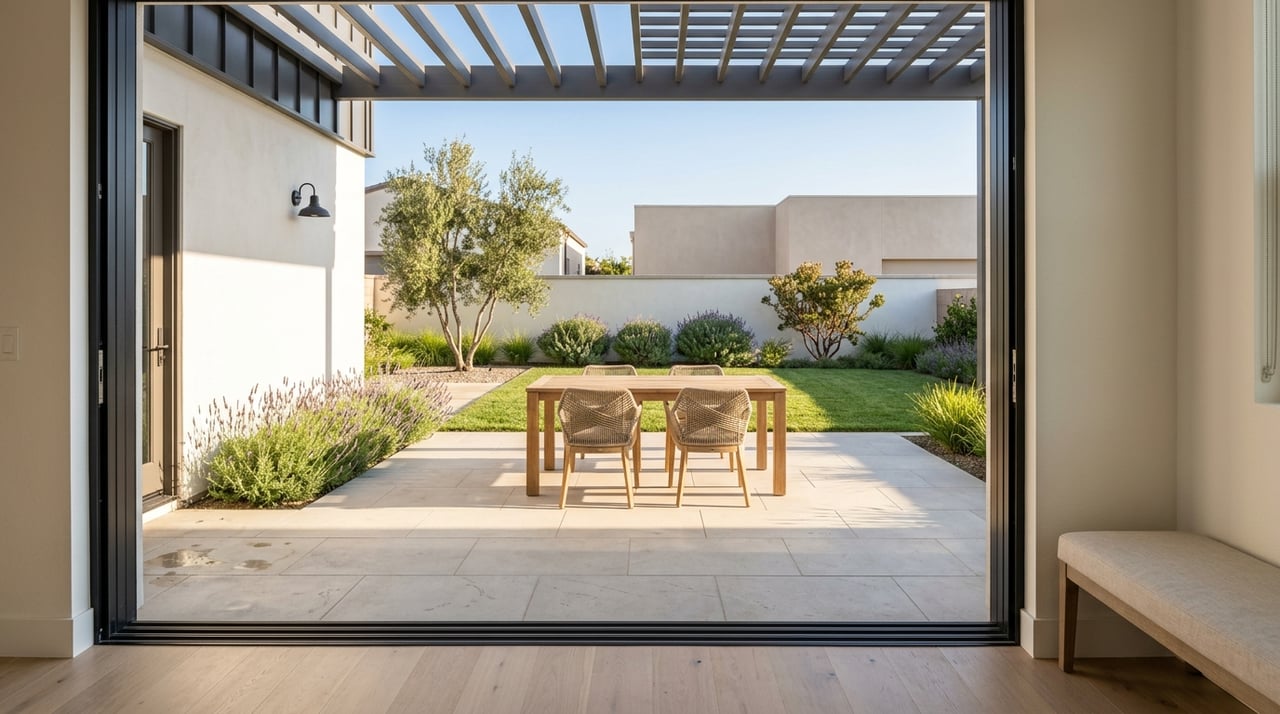
As you prepare your home for market, highlight patios, seating areas, hardscape, and other outdoor zones that read like intentional extensions of the house. Clean, functional outdoor rooms help buyers picture how they would actually use the property.
Make the lot easy to read
Buyers tend to respond well when the property layout feels clear. Paths, gates, side yards, and transitions from the street frontage to the main residence should feel obvious, secure, and easy to follow.
If parts of the lot are hidden by overgrowth or clutter, privacy can start to read as neglect. Trimming back vegetation and defining edges can help the property feel more cared for without losing its sense of seclusion.
Show clean edges everywhere
On larger parcels, the edges matter. Driveways, fencing, frontage, and perimeter areas often shape a buyer’s first reaction before they ever step inside.
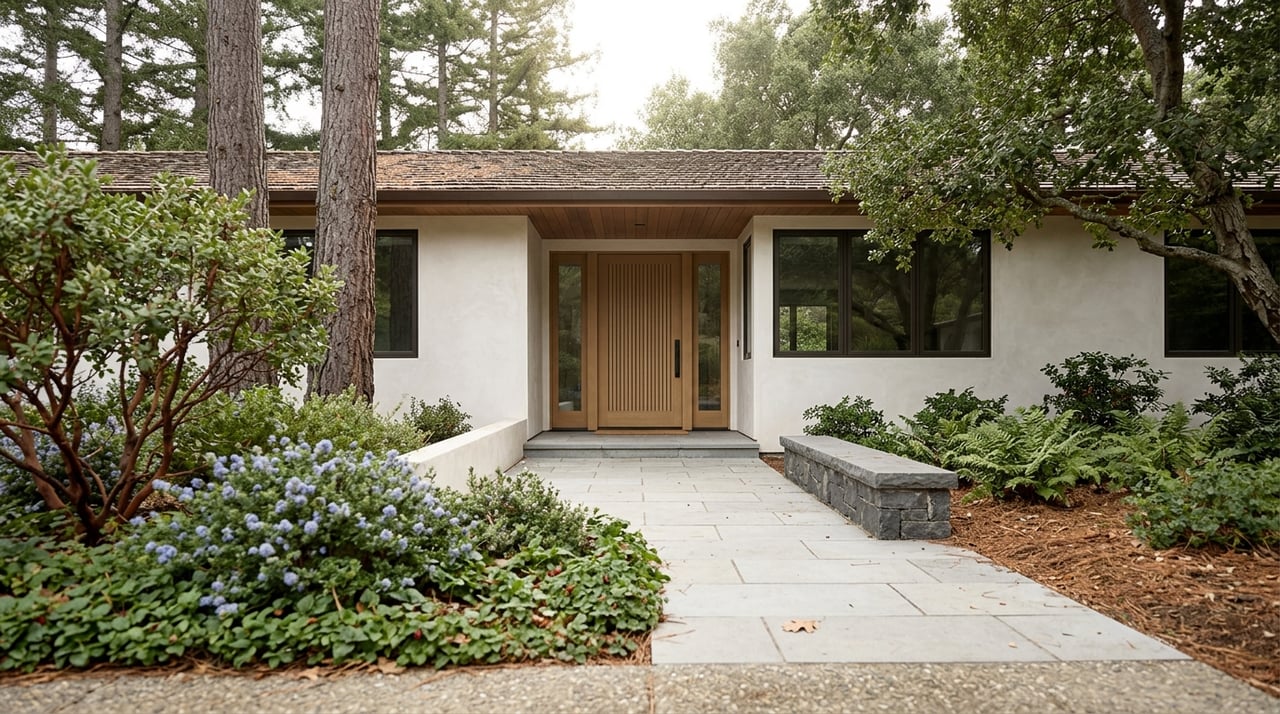
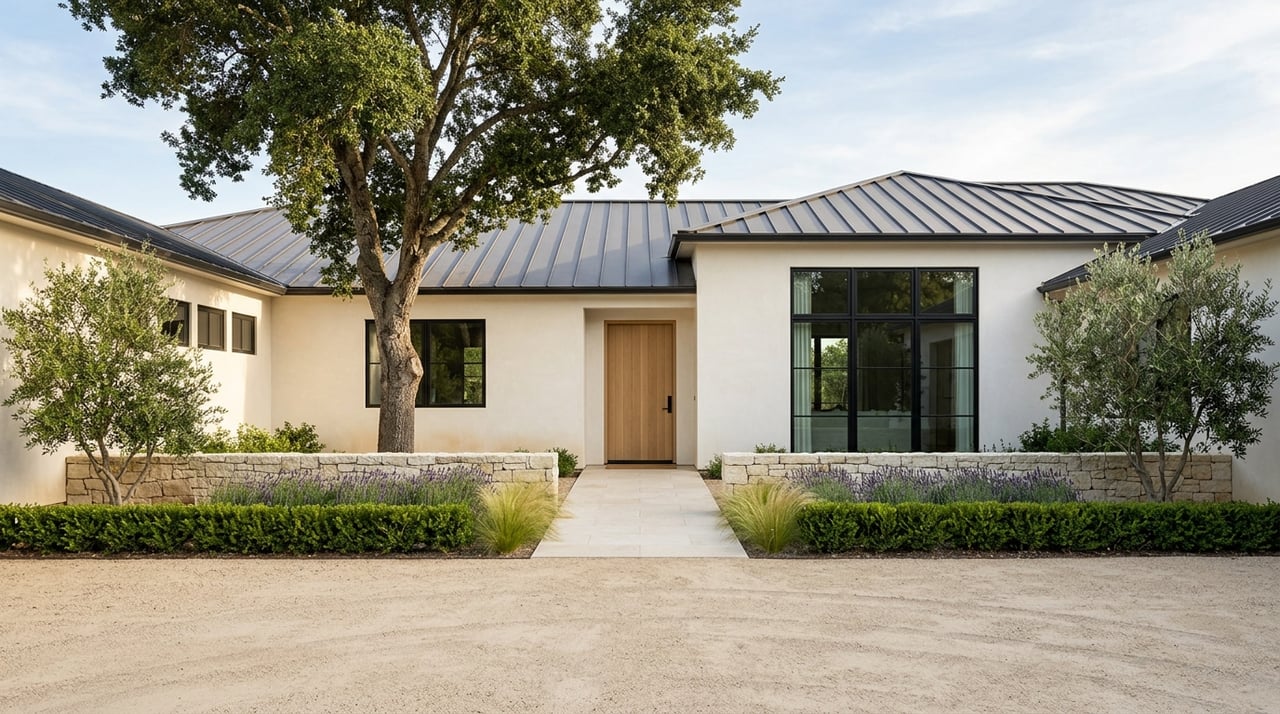
That means it is worth paying attention to weed-free borders, mulched planting beds, maintained gates, and a driveway that looks sound and welcoming. These details help the land feel intentional instead of deferred.
Lean into a water-wise look
In San Diego, water conservation is an ongoing practical concern, and outdoor irrigation accounts for a major share of household water use. For that reason, a tidy water-wise landscape can support both presentation and cost-conscious messaging.
You do not need a lawn-heavy look to make an impact. In fact, buyers may respond better to landscaping that appears efficient, attractive, and easier to maintain over time.
What to check before listing
A pre-listing landscape review should include both appearance and function. If your irrigation system exists, it should work properly and not create visible waste.
Consider checking for:
- Irrigation leaks
- Runoff issues
- Dead vegetation
- Weed growth
- Leaf litter and combustible debris
- Overplanted areas that hide usable space
The City also encourages drought-tolerant landscaping, mulch, rainwater capture, and pool covers as part of water conservation. Even small improvements in these areas can make the property feel more current and better managed.
Address wildfire-related items early
For some acreage homes, wildfire compliance is not just a maintenance issue. It can directly affect the sales timeline.
Properties in the City’s Very High Fire Severity Zones are subject to brush-management rules extending 100 feet from structures through Zone 0, Zone 1, and Zone 2. The City says defensible-space inspections are required documentation for sales in high or very high fire hazard severity zones, and that requirement ties into escrow compliance under California Civil Code 1102.19.
Why timing matters
If a property does not pass a defensible-space inspection before closing, the City says the inspector will explain what work is needed and schedule a reinspection. If the property will not be compliant by close of escrow, seller and buyer can enter into a written agreement for the buyer to obtain compliance within one year after closing.
That option exists, but it is usually better to address brush work and inspection timing before your home goes live. Early planning can reduce stress, help avoid last-minute negotiations, and make your listing feel more prepared from day one.
What buyers may notice outdoors
Wildfire-conscious prep often overlaps with visual improvement. Removing dead vegetation, stacked combustible material, weeds, and excess debris can improve both safety and presentation.
Healthy tree structure, clear canopy spacing, and maintained perimeter areas also help buyers feel that the property has been cared for with long-term stewardship in mind.
Verify sitework and drainage details
Larger lots often come with site features that deserve a closer look before listing. Terraces, retaining walls, grading work, and drainage improvements can all trigger buyer questions during escrow.
If your home includes these features, it is smart to verify whether the work was properly permitted and whether records are easy to access. Organized documentation can help you answer questions early instead of scrambling later.
Drainage should look deliberate
Stormwater and drainage are not glamorous, but buyers notice when something feels off. On an acreage property, runoff patterns, sloped sections, and retaining-wall drainage can influence how secure and maintainable the lot feels.
The City’s retaining-wall guidance requires the footing and drainage system to be on private property and calls for drainage that discharges to a stormwater collection system or prevents runoff onto neighboring properties. Before listing, it helps if drainage features look functional, clean, and intentional.
Don’t forget frontage details
If your landscaping reaches into the public right-of-way, there may be additional city processes to consider. For example, the City’s street-tree program uses a no-fee permit for planting, and City review also applies to trimming, removal, planting, or root pruning.
This is not the kind of detail to guess on. If frontage trees or landscaping are part of your curb appeal plan, confirming the correct process early can help you avoid delays.
Build a strong pre-listing document packet
One of the best ways to make an acreage home market-ready is to make it easy to understand on paper. A clean, organized property file can build trust and reduce repeated questions once buyers begin their diligence.
For a larger-lot listing, your packet should help explain what has been maintained, what was improved, and what a buyer will inherit.
Helpful documents to gather
Consider organizing:
- Permit records for grading, retaining walls, and major hardscape
- Receipts or reports for tree work
- Irrigation repair records
- Recent pest inspection reports
- Roof, drainage, or general inspection reports
- Notes on outdoor watering and maintenance
- Defensible-space documentation, if applicable
The California Department of Real Estate notes that buyers should hire qualified inspectors to evaluate structural aspects, and seller disclosure covers physical condition and potential hazards or defects. When your records are ready in advance, the transaction often feels smoother and more transparent.
Anticipate common escrow questions
Acreage homes often bring a specific set of buyer concerns. The more clearly you can answer them up front, the more confidence your listing can inspire.
In this segment, buyers commonly ask whether the parcel is in a fire hazard zone, whether defensible-space paperwork is available, whether grading or wall work was permitted, how water-intensive the landscape is, and whether pest or drainage issues have already been addressed.
Be ready with straightforward answers
You do not need to oversell the property. You do need to make it easy for buyers to understand the basics.
That means being prepared to explain:
- Which outdoor areas are most usable
- How the landscaping is maintained
- Whether there are known drainage or slope concerns
- What site improvements were permitted
- What wildfire-related documentation is already available
Clarity helps buyers feel more comfortable, especially when a property has more land and more moving parts than a standard tract home.
Create a manageable, premium first impression
The strongest acreage listings in Carmel Valley usually do one thing very well. They make the property feel both special and understandable.
That often means presenting privacy without overgrowth, landscape without excess water demand, and outdoor space that feels functional instead of vague. When buyers can see where they would gather, how the land is maintained, and what documentation is already in place, your home stands a much better chance of standing out for the right reasons.
If you are preparing to sell and want a clear, hands-on strategy for getting your property ready, Peter Boggs can help you position your home with thoughtful preparation, polished marketing, and responsive guidance from start to finish.
FAQs
What matters most when preparing acreage homes in Carmel Valley for sale?
- Buyers usually focus on usable outdoor space, privacy, driveway and access condition, tree health, clean property edges, and whether the landscaping feels intentional and manageable.
Do Carmel Valley acreage homes need wildfire compliance before closing?
- If a property is in a high or very high fire hazard severity zone, defensible-space documentation may be required for escrow, so it is wise to address brush work and inspection timing before listing.
What outdoor improvements help acreage homes show better in Carmel Valley?
- Water-wise landscaping, working irrigation, mulched beds, weed-free perimeter areas, healthy trees, maintained gates and fencing, and outdoor seating or patio areas that feel usable can all improve presentation.
What documents should sellers gather before listing an acreage home in Carmel Valley?
- Helpful records include permits for grading or retaining walls, tree-work and irrigation receipts, pest or general inspection reports, drainage or roof reports, and any defensible-space documentation if the property is in a fire zone.
Why do buyers ask about drainage and retaining walls on larger lots?
- On acreage properties, buyers want to know whether sitework was properly handled, whether runoff is controlled, and whether retaining walls, terraces, and grading changes were permitted and maintained.