Trying to decide between a brand-new home and an older resale in Marina? You are not alone. In a market where prices can vary widely by neighborhood and home type, the better choice often comes down to how you want to live, what level of upkeep you can handle, and what your full monthly cost will look like. This guide breaks down the real trade-offs so you can compare Marina new construction and resale homes with more confidence. Let’s dive in.
Marina Market Snapshot
Marina remains a relatively small coastal city, but it is still a high-cost housing market. The U.S. Census Bureau estimated Marina’s 2024 population at 23,047, and median household income was $88,518 in the 2019 through 2023 period. At the same time, recent home pricing has stayed elevated across multiple housing sources.
Current market data shows why this decision matters. Recent reports placed Marina’s median sale or listing range roughly in the high $800,000s to around $1 million, depending on the source and metric used. That means the gap between a resale home and a newly built home can have a major effect on your budget, financing, and long-term plans.
Marina Price Differences
One of the clearest splits in Marina is between older central neighborhoods and newer planned communities. Recent listing data showed Central Marina at a median listing price of $771,750, while Marina Heights was at $1,242,500. That price gap helps explain why new construction often feels like a premium product in this market.
The City of Marina has also noted that newer developments such as Sea Haven, Dunes, and East Garrison have tended to command higher prices. Much of the price growth from 2015 to 2022 was likely tied to new construction. If you are shopping in Marina, it helps to think of new and resale homes as two different value categories, not just two versions of the same product.
What New Construction Offers
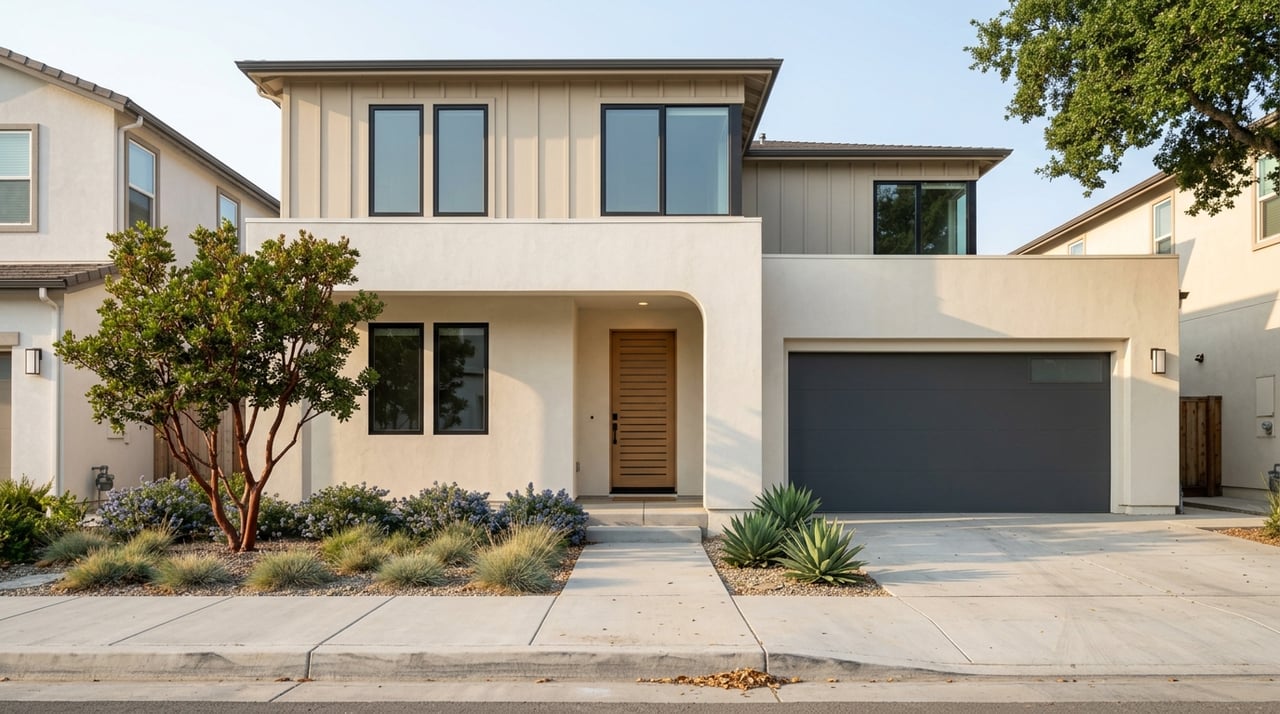
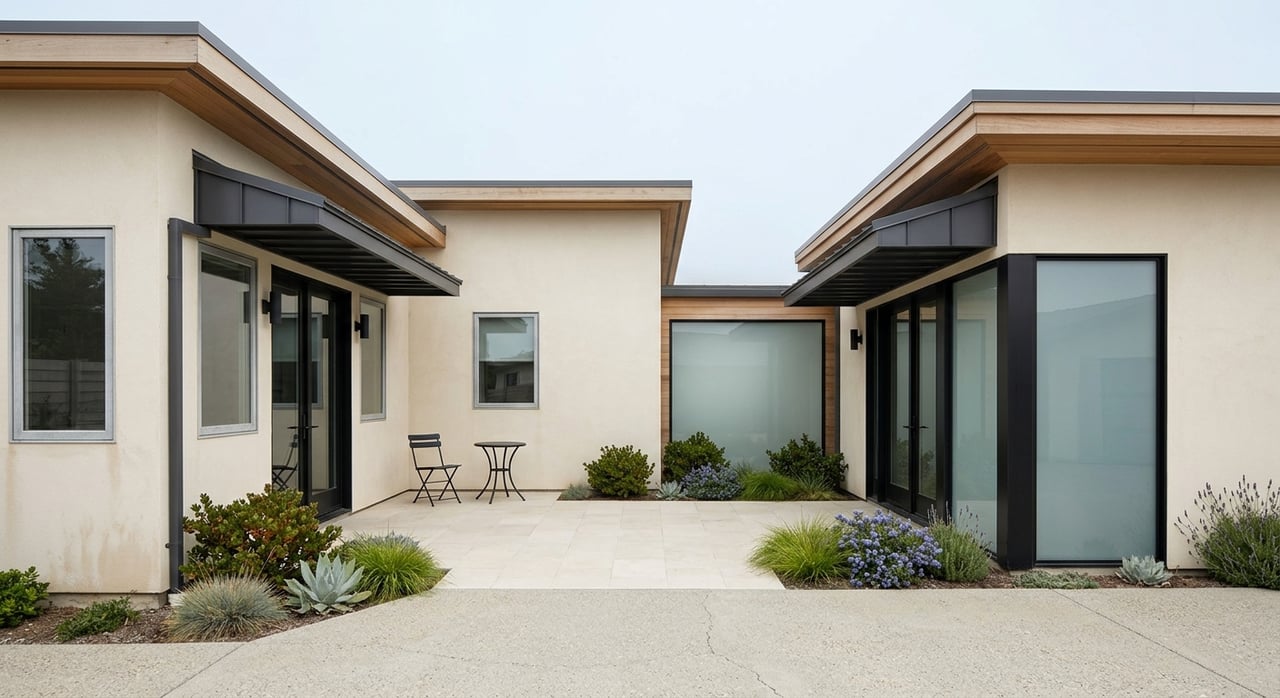
New construction in Marina usually means planned-community living, newer systems, and homes built to current standards. Major new-home areas include Marina Station and Sea Haven, both of which offer a range of floor plans and community amenities. For many buyers, the appeal is simplicity and predictability in the early years of ownership.
California’s current Energy Code also gives newer homes a more modern efficiency baseline than older resale stock. The 2025 code took effect on January 1, 2026 for new buildings and major renovations. That does not mean every new home will have the same operating cost, but it does mean you are generally starting with newer energy standards.
Marina Station at a Glance
Marina Station is a large master-planned project in northern Marina. The community spans about 320 acres, is planned in eight phases, and is expected to include about 1,360 residential units along with parks, open space, and about 20 percent affordable units.
Current offerings include Cottages, Bungalows, Villas, and planned Towns. Advertised starting prices are $979,999 for Cottages, $1,184,988 for Bungalows, and $1,289,988 for Villas. Floor plans range from roughly 1,350 to 3,229 square feet depending on the collection.
One important thing to remember is timing. Marina Station is expected to build out over about 10 to 12 years, and infrastructure for early phases was targeting completion in the first half of 2026. If you buy early in a phased community, you may get in sooner on pricing, but you also need to be comfortable with an area that may still be evolving.
Sea Haven and Marina Heights
Sea Haven is another major new-home area in Marina. Current offerings include Layia from $1,092,990 and Villosa from $1,366,990, with homes ranging from about 1,849 to 3,601 square feet.
Sea Haven also stands out for its community amenities. The city lists features such as parking, a playground, restrooms, picnic and BBQ areas, a trail, dog parks, a disc golf course, and pickleball courts at Sea Haven Park. Builder materials also highlight a clubhouse and trails, which may appeal if you want a more planned lifestyle setting.
There is a practical local detail to keep in mind here too. The City of Marina says special water restrictions may apply in Sea Haven and Dunes. That is a good reminder that newer communities can come with tract-specific rules that you will want to review before you commit.
Why Buyers Choose New Homes
For many buyers, the biggest draw of new construction is lower near-term maintenance. New homes typically come with current-code systems, new materials, and early ownership periods that involve more punch-list items than major repairs. That can make budgeting feel more predictable.
California also gives new-home buyers specific protections. The Department of Real Estate requires a subdivision public report before a sales contract is signed. Civil Code 900 requires at least a one-year express written fit-and-finish warranty, and the Contractors State License Board says buyers must first contact the builder under SB 800 before pursuing legal action over defects.
New construction may be a strong fit if you value:
- Newer energy-efficiency standards
- Lower short-term repair risk
- Planned-community amenities
- Modern layouts and finishes
- Warranty protections at the start of ownership
What Resale Homes Offer
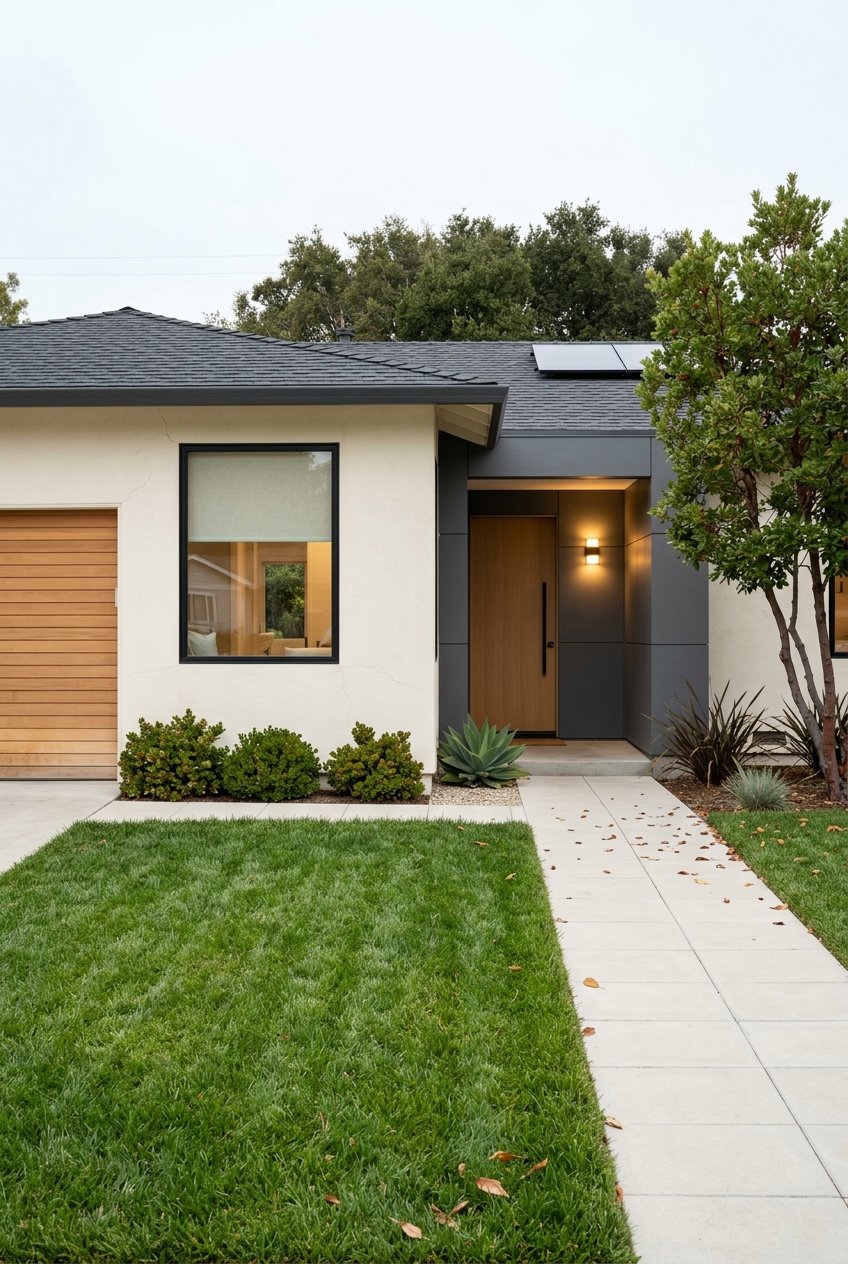
Resale homes in Marina usually bring a different kind of value. In many cases, they offer a lower entry price than new construction and can open the door to neighborhoods where pricing is more approachable. If you are trying to stay flexible on budget, resale may give you more room to work with.
Marina’s existing housing stock is older on average. The city housing element says 69 percent of owner-occupied units were built before 1980. It also notes that homes more than 30 years old may need repairs, and homes over 50 years old are more likely to need major repairs, even though Marina’s habitable homes are generally considered structurally sound and well maintained.
That age profile is the heart of the resale conversation. You may pay less upfront, but you should be ready to evaluate condition more carefully and budget for updates over time.
Resale Means More Inspection Work
The resale buying process often involves more investigation and negotiation. The California Department of Real Estate says buyers are legally entitled to a Transfer Disclosure Statement and agency disclosures. Resale purchases also commonly involve inspections, pest inspections, repair requests, and negotiated timeframes.
That process is not a downside for every buyer. In fact, some people prefer it because it creates more room to uncover a property’s condition, ask for repairs, or negotiate credits. Still, it does mean you need to go in with a clear plan and realistic expectations.
Resale Can Offer More Flexibility
An older home may also give you more options for future changes. Marina allows ADUs and JADUs on qualifying properties, and the city says a new ADU usually takes a few months to build, compared with two years or more for a new subdivision. For some buyers, that flexibility matters for long-term use, added space, or investment planning.
That does not mean every resale property will be a fit for an ADU or expansion. It simply means resale homes may offer opportunities that are different from what you get in a builder-controlled tract.
Compare Total Monthly Cost
If you take one thing from this article, let it be this: compare the full monthly carrying cost, not just the purchase price. A lower-priced resale home may need repairs sooner. A new construction home may come with a higher mortgage payment and added community costs.
When you compare homes in Marina, review these categories side by side:
- Principal and interest
- Property taxes
- Insurance
- HOA dues, if any
- Community Services District or similar charges, if any
- Utilities
- Expected maintenance and repair costs
This step matters because planned communities can include recurring charges beyond a standard mortgage payment. County of Monterey materials for East Garrison note a Community Services District funded by Mello-Roos taxes and HOA-related responsibilities. East Garrison is not within the City of Marina, but it is a useful Marina-area reminder to verify any special taxes, assessments, or community fees before you write an offer.
Marina Risks to Watch in Either Choice
Some issues matter whether you buy new construction or resale. Marina is updating coastal-hazard and sea-level-rise policies, and the city’s fire-hazard-zone page says newer maps affect building codes and real estate disclosures. These factors can influence insurance, future permitting, and how you assess long-term ownership risk.
This is one reason local guidance matters. Two homes with similar prices can carry very different ownership costs and future considerations depending on location, age, and community structure.
Which Option Fits You Best?
New construction in Marina is usually the premium path. You may get newer efficiency standards, warranties, modern layouts, and community amenities, but you will often pay more and may need to account for phased build-out timelines or tract-specific rules.
Resale homes are often the value-and-flexibility path. You may get a lower entry price and more room for future changes, but you will likely take on more inspection work, maintenance planning, and repair budgeting.
A simple way to frame the choice is this:
- Choose new construction if you want a more turnkey experience, newer systems, and are comfortable paying a premium for that convenience.
- Choose resale if you want more price flexibility, are open to older housing stock, and are prepared to evaluate condition carefully.
The right answer depends on your goals, timeline, and comfort with ongoing costs. If you want help weighing Marina neighborhoods, comparing true monthly costs, or narrowing down the best fit for your plans, Peter Boggs can help you move forward with clear, local guidance.
FAQs
What is the main price difference between new construction and resale homes in Marina?
- Recent listing data showed a large split between Central Marina at $771,750 and Marina Heights at $1,242,500, which highlights the premium often attached to newer planned-community homes.
What are the benefits of buying a new construction home in Marina?
- New construction in Marina may offer newer energy-efficiency standards, lower short-term repair risk, modern layouts, community amenities, and warranty protections required under California law.
What should buyers watch for with Marina resale homes?
- Buyers should pay close attention to inspections, disclosures, pest issues, deferred maintenance, and repair budgeting because much of Marina’s owner-occupied housing stock was built before 1980.
Do Marina planned communities have extra fees or rules?
- Some Marina-area planned communities may have added charges or tract-specific rules, so you should verify HOA dues, special assessments, water restrictions, or district-related costs before making an offer.
Are resale homes in Marina better for future additions like ADUs?
- Some resale properties may offer more flexibility for future improvements because Marina allows ADUs and JADUs on qualifying properties, though each parcel and project should be reviewed individually.
How should buyers compare new and resale homes in Marina?
- The best approach is to compare total monthly carrying cost, including mortgage payment, taxes, insurance, community fees, utilities, and likely maintenance or repair costs, rather than focusing only on the list price.