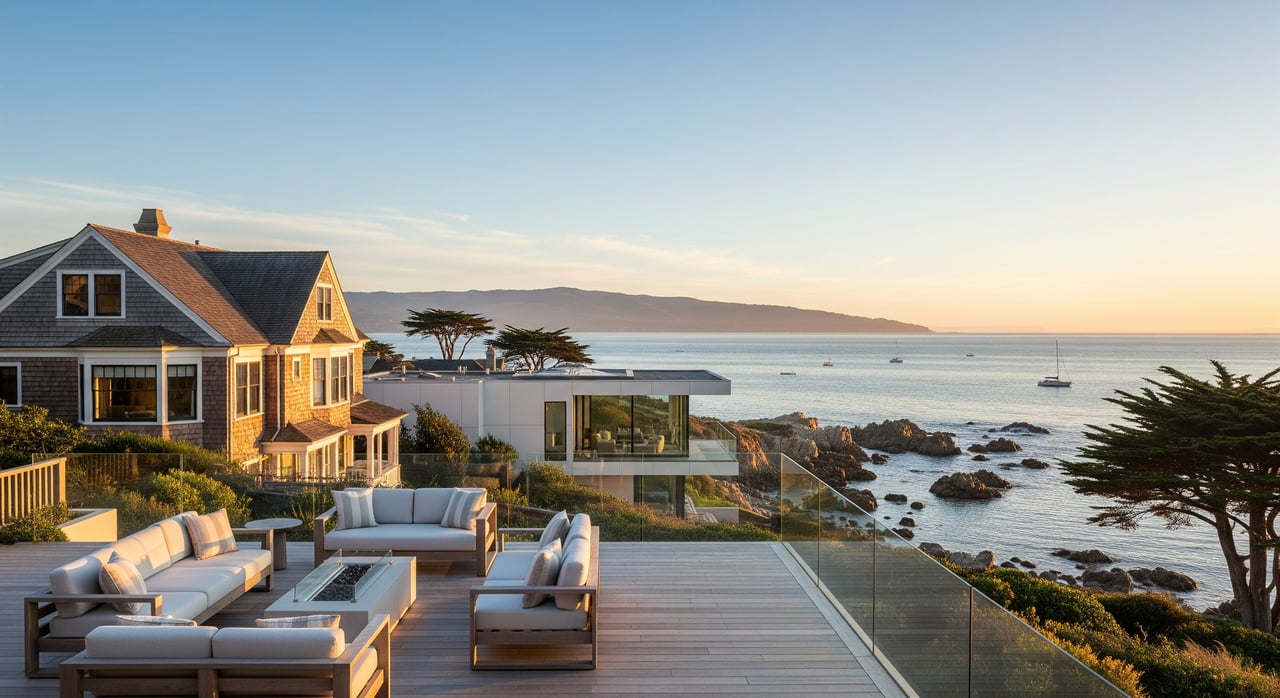
Trying to decide whether to start your home search in Monterey or Pacific Grove? You’re not alone. Both offer incredible coastal living on the Monterey Peninsula, yet the experience day to day can feel very different. This guide walks you through neighborhoods, housing types, schools, commute patterns, and coastal considerations so you can match your priorities to the right place. Let’s dive in.
Quick comparison: what you’ll notice first
| Factor | Pacific Grove | Monterey |
|---|---|---|
| Overall vibe | Quiet, small-town coastal feel with a strong residential character | Larger city with a mix of residential and tourist areas |
| Housing mix | Primarily single-family homes, many historic cottages; limited new construction | Wider variety: condos, townhomes, single-family, some larger parcels |
| Lot sizes | Often compact urban lots; yard sizes vary | More variety, including moderate suburban lots and some hillside parcels |
| Price pattern | Often trades at a premium per home due to limited inventory and walkability | Broader range from lower-priced condos to high-end single-family in select areas |
| Walkability to coast | Excellent coastal path access, parks, and beaches nearby | Good coastal access in parts of the city, plus more cultural attractions |
| Inventory feel | Tight supply, especially for move-in ready family homes | More options across product types and price points |
| STR and permits | City-regulated. Rules change, check the city site | City-regulated. Rules change, check the city site |
Pacific Grove often appeals if you want a quieter, highly walkable coastal lifestyle. Monterey tends to fit if you want more housing choice, potential for larger lots, and proximity to major employers and attractions.
Where to look first in Pacific Grove
Lovers Point and Ocean View
These coastal blocks offer immediate access to beaches, tide pools, and the coastal recreation trail. You’ll find historic cottages and early 20th-century homes with character and charm. Expect compact lots and a neighborhood feel where daily walks by the water are part of the routine.
Asilomar and Sunset District
This area sits near Asilomar State Beach and conference grounds. You’ll see a mix of modest single-family homes and cottages with a laid-back beach-town rhythm. Streets feel residential and relaxed, with outdoor access close at hand.
Old Town Pacific Grove
Historic cottages and bungalows line tree-shaded streets near village amenities. Shops, cafes, and schools are short walks for many homes. If you love classic architecture and neighborhood convenience, this is a strong starting point.
Where to look first in Monterey
Downtown, Cannery Row, and Fisherman’s Wharf
This is the heart of Monterey’s tourist and dining scene. You’ll see many condos and townhomes in walkable pockets near restaurants and attractions. Expect more activity and visitor traffic, plus easy access to waterfront recreation.
New Monterey
Just uphill from the waterfront, New Monterey mixes residential and commercial pockets with many condominium options. It’s a practical choice if you want lower-maintenance living near the action.
Monterey Heights, San Carlos, and Bay View
Move inland for quieter residential streets and more typical suburban lots. Single-family homes are common and may offer more yard space than coastal zones. These neighborhoods are solid if you want space without being far from downtown.
Del Monte area toward Pebble Beach
On the outskirts toward Del Monte Forest you’ll find single-family parcels, some larger lots, and convenient access to open space and golf areas. The housing mix varies, so it can be a good area to keep on your list if you want room to spread out.
Housing types and what they mean for you
Pacific Grove: historic charm, compact lots
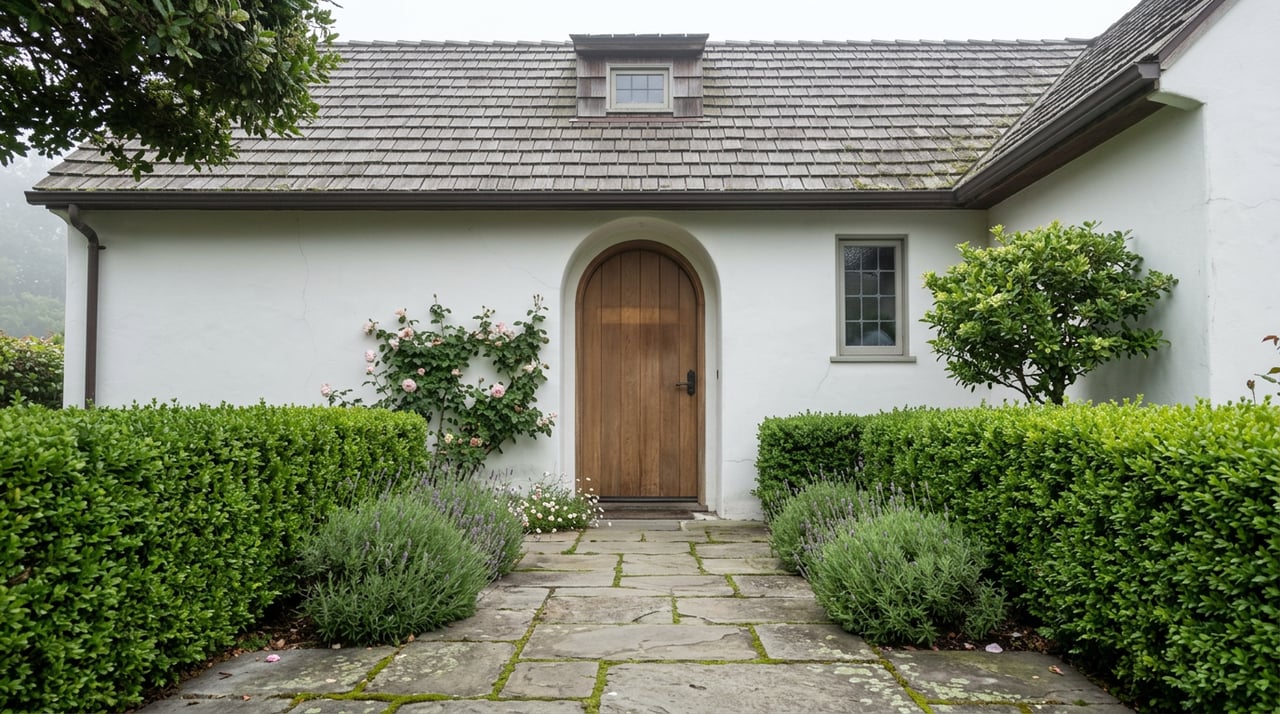
You’ll see Victorian, Queen Anne, and Craftsman-era homes, along with modest cottages. Many lots are compact, and yard size varies street by street. Older homes may require more maintenance, potential seismic upgrades, and attention to historic-district rules.
Monterey: more variety and HOA options
Monterey includes condos and townhomes near the waterfront, plus Spanish Revival and mid-century single-family homes inland and on hillsides. Condos often include HOA management and fees, which can simplify maintenance but add to monthly costs. If a yard or expansion potential is a must, inland Monterey neighborhoods often provide more options.
Schools, parks, and everyday life
Pacific Grove Unified School District is smaller and is often cited by parents as a draw for families. Monterey Peninsula Unified School District is larger and serves multiple cities with a range of school performance. Because school information changes, verify current details and boundary maps through resources like GreatSchools and Niche’s K-12 profiles. Always confirm the assigned schools for a specific address.
Parks and outdoor access are strong in both cities. In Pacific Grove you have Lovers Point, Asilomar, and coastal paths for daily family outings. In Monterey you’ll find beaches, cultural attractions, and destinations like the waterfront and Aquarium area. For civic services, both cities are near Peninsula healthcare, with Monterey offering larger medical facilities nearby.
For population context and household counts, you can consult U.S. Census QuickFacts for each city.
Commutes and access to employers
Primary employers nearby include the Naval Postgraduate School, Defense Language Institute, Monterey Bay Aquarium, local hospital systems, and higher education institutions in the region. From Pacific Grove to central Monterey employers, many drives are roughly 5 to 15 minutes depending on your starting point and time of day. Monterey to Salinas via CA-68 commonly runs about 25 to 40 minutes, with tourist-season variation. Trips to Santa Cruz or the South Bay are longer and highly traffic dependent.
Public transit on the peninsula is served by Monterey-Salinas Transit. Check MST routes and schedules for specifics. For road conditions, closures, and highway projects along CA-1 or CA-68, use Caltrans before you go.
Coastal and environmental factors
Both cities sit on the coast, so expect marine fog, salty air, and cooler summers. Salty air can increase corrosion on exterior metals and fixtures, so plan for more frequent maintenance. Certain low-lying properties near beaches or bluffs can face flood or erosion risks over time. Always review FEMA flood zones using the FEMA Flood Map Service Center and consult local coastal vulnerability studies when you evaluate a property.
Insurance and maintenance costs can be higher near the coast. Earthquake insurance is recommended in the region. In historic or coastal zones, permitting and design review may affect remodel plans. Review local guidelines on the City of Pacific Grove website and the City of Monterey website.
Local rules to know: STRs, ADUs, permits
Short-term rental rules exist in both cities and have changed over time. If renting your home part-time matters to you, read the current ordinances and permit pages on the City of Pacific Grove and City of Monterey websites. Accessory dwelling units are supported by state law, yet local design and siting rules still apply. Proposition 13 guides property tax assessments statewide. Always review disclosures for any parcel taxes or special assessments.
Buyer decision checklist
- Lifestyle priorities: Is your top goal beach walkability and a small-town rhythm (Pacific Grove), or broader housing options and amenities (Monterey)?
- Home type and space: Single-family with a yard vs condo/HOA living. Prioritize bedrooms, parking, and outdoor space.
- Schools and childcare: Confirm school boundaries, current ratings, and available childcare capacity near your home.
- Commute and work: Time your commute during peak hours. Note seasonal traffic along Highway 1 and CA-68.
- Budget planning: Include HOA fees for condos, coastal insurance, and maintenance for older homes.
- Regulations: Confirm short-term rental rules, ADU allowances, and any historic-district limits.
- Environmental risk: Check FEMA flood zones, local sea-level rise studies, and hire a qualified inspector for coastal properties.
How to get live listings and a current snapshot
- Set up two saved searches: one for Pacific Grove and one for Monterey. Filter by single-family vs condo/townhome, bedrooms, and budget.
- Pull a quick market snapshot: median list price, days on market, number of actives, and price per square foot. Note the date you checked since the market moves quickly.
- Review HOA fees and rules for any condo or townhome communities on your list.
- For official city rules that may affect your plan, consult City of Pacific Grove and City of Monterey resources.
Day in the life examples
If you live in Pacific Grove
Morning coffee and a quick coastal walk at Lovers Point, a short school drop-off, and an afternoon bike ride along the shoreline path. Dinner is a stroll to local restaurants in the village. Your home likely has period details and a cozy yard.
If you live in Monterey
Weekend walks to the waterfront and Aquarium area, with easy access to dining and cultural events. Condo or townhome living might keep maintenance simple. Inland single-family neighborhoods give you more yard space while staying close to town.
Where to start your search
- Start in Pacific Grove if you want daily coastline access, a smaller-town feel, and historic character. Be ready for limited inventory and strong competition for well-presented homes.
- Start in Monterey if you want more housing variety, potential for larger lots, and proximity to major employers and attractions. Condos and townhomes can offer budget flexibility and lower maintenance.
If you want a guided tour of both markets, local perspective on micro-neighborhoods, and a tailored plan for your goals, reach out to Peter Boggs. We’ll help you focus your search, understand trade-offs, and move with confidence.
FAQs
What’s the main lifestyle difference between Monterey and Pacific Grove?
- Pacific Grove typically feels like a quieter, small-town coastal community with compact, walkable neighborhoods, while Monterey offers a larger city setting with more housing variety and cultural attractions.
How do schools compare between Pacific Grove and Monterey?
- Pacific Grove Unified is smaller and often cited by parents as a draw, while Monterey Peninsula Unified serves multiple cities with mixed performance by school; verify current details on GreatSchools and Niche.
What coastal risks should homebuyers consider on the Monterey Peninsula?
- Review fog and salt-air maintenance impacts, check FEMA flood zones using the FEMA Flood Map Service Center, and plan for potential coastal permitting and insurance needs.
Are short-term rentals allowed in either city?
- Both cities regulate STRs through local ordinances and permits that can change; review current rules on the City of Pacific Grove and City of Monterey websites before you buy.