If you picture ocean-view living as a house sitting directly on the sand, Pacific Grove may surprise you. Here, the appeal is often more layered: scenic shoreline outlooks, compact historic homes, and easy access to the coast in a town shaped by open-space protections and maritime weather. If you are thinking about buying or selling in Pacific Grove, understanding how views, climate, home style, and property rules work together can help you make a smarter decision. Let’s dive in.
Pacific Grove Ocean Views Work Differently
Ocean-view living in Pacific Grove is not defined by a single beachfront housing type. Instead, the value often comes from a mix of coastal scenery, walkability, and the town’s historic character, all shaped by a cool maritime setting. That combination is a big reason Pacific Grove feels distinct on the Monterey Peninsula.
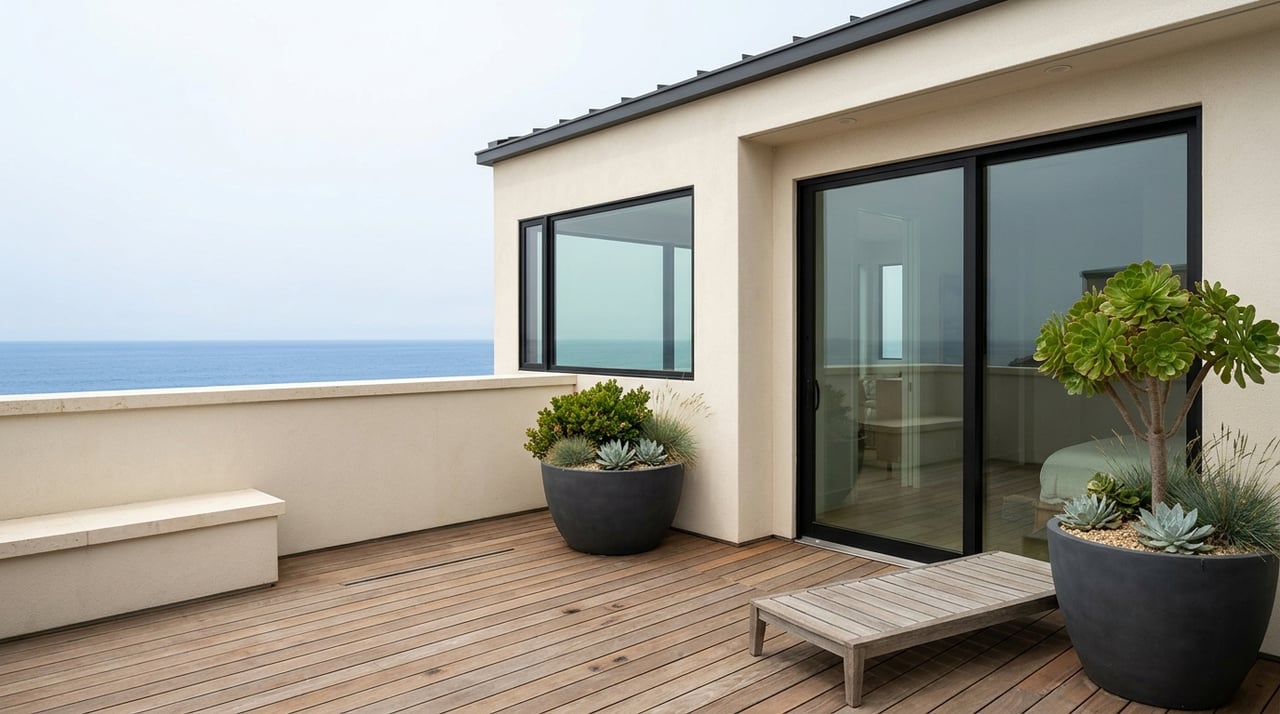
Many homes with water views are better understood as bluff-top or setback-view properties rather than true beachfront homes. The city has long emphasized open space and public visual access along the shoreline, which helps preserve the coastal experience for both residents and visitors. In practical terms, that means a view here can be highly desirable without being directly on the beach.
According to the city’s Local Coastal Program and scenic resource planning documents, key public and residential view areas include the shoreline, the seaward side of Ocean View Boulevard and Sunset Drive, Lighthouse Reservation lands, and areas near the Asilomar dunes. For you as a buyer or seller, that means location and sightline matter just as much as distance to the water.
Coastal Climate Shapes Daily Life
Pacific Grove’s climate is one of the first things to understand before you buy an ocean-view home. Based on NOAA climate normals, the area has an annual mean temperature of 55.9°F, with an average daily high of 63.1°F, an average daily low of 48.8°F, and about 17.11 inches of annual precipitation. You can review that data through NOAA climate normals for the Monterey area.
What does that mean for you? Ocean-view living here is usually cool, mild, and breezy rather than hot and tropical. You are more likely to think about layers, wind exposure, and natural light than central air and pool weather.
Summer fog and coastal wind are also part of the experience. NOAA’s Coast Pilot description of Monterey Bay notes exposure to cold, foggy northwest summer winds, with prevailing west winds around seven knots and relatively rare strong gales. In day-to-day terms, that means fog and breeze are normal parts of life near the shoreline, especially during summer.
The Coast Is Central to the Lifestyle
One reason buyers are drawn to Pacific Grove is how closely daily life connects to the shoreline. The city highlights year-round enjoyment of the shoreline recreation trail and Lovers Point beaches, while NOAA describes Monterey Bay as part of the Monterey Bay National Marine Sanctuary, known for wildlife, kelp forests, diving, fishing, and whale watching.
That setting matters because ocean-view living in Pacific Grove is not just about what you see from the house. It is also about what is nearby and how often you can enjoy it. For many buyers, the lifestyle value includes walking along the coast, spending time at Lovers Point, and living in a place where the shoreline is woven into everyday routines.
Home Styles Tend To Be Historic And Compact
If you are expecting rows of oversized modern waterfront homes, Pacific Grove may feel refreshingly different. The city grew from an early Methodist seaside retreat, and that history still shows up in the town’s compact lots and cottage-scale homes, especially in the retreat area roughly bounded by 1st Street, Ocean View Boulevard, Pacific Street, and Lighthouse Avenue. The city’s historic context documentation helps explain why the housing stock feels so distinctive.
Pacific Grove has a deep inventory of older homes. The city identified more than 1,200 historic buildings from the 1874 to 1926 period, with styles that include Gothic Revival, Queen Anne, Stick/Eastlake, Colonial Revival, Shingle, Craftsman/Bungalow, Spanish/Mediterranean Revival, Pueblo Revival, and American Foursquare. You can see that range in the city’s General Plan historic resources chapter.
For buyers, the takeaway is simple: ocean-view homes in Pacific Grove are often older, smaller, and architecturally varied. For sellers, that means charm, period details, and location can play a major role in how your home is positioned in the market.
View Protection Matters Here
In Pacific Grove, views are not treated casually. The city’s coastal code identifies highly scenic areas, bluff-adjacent properties, and parcels between the sea and the first public road as especially sensitive from a planning standpoint. The local code also says landscaping changes should not encroach into public view corridors. You can review those standards in the Pacific Grove coastal code provisions.
This matters whether you are buying or selling. If you are buying, a view can be supported by planning policies that prioritize scenic preservation. If you are selling, buyers may see added value in the fact that the community treats ocean views as a protected resource, not just a selling point.
Ownership Comes With Coastal Maintenance
Ocean-view living is beautiful, but it comes with practical responsibilities. Coastal wind, fog, and salt exposure can create tougher conditions for exterior materials and landscaping than you might expect inland. NOAA’s Monterey Bay coastal conditions support that broader maintenance reality.
For homeowners, that often means paying closer attention to paint, finishes, trim, metal components, and planting choices. It does not mean every property will have the same upkeep needs, but it does mean the coastal setting should be part of your budget and planning from the start.
Permits Can Affect Future Changes
One of the most important things to know about ocean-view property in Pacific Grove is that exterior changes may involve more review than buyers expect. The city’s code indicates that projects in highly scenic areas or near coastal bluffs may require coastal development permit review. That can apply to additions, exterior alterations, or landscaping changes that affect public views or sensitive coastal areas, as outlined in the city’s coastal regulations.
If you are buying with renovation plans in mind, it is smart to understand that early. If you are selling, it can also help to frame your property honestly and clearly, especially if future improvements may be shaped by scenic-area rules.
Shoreline Risk Is Part Of The Conversation
For shoreline-adjacent homes, long-term coastal change is another consideration. Pacific Grove’s coastal hazard policies say the city will continue gathering information about sea-level rise and related shoreline hazards, evaluate policies at least every 10 years, and revisit standards if conditions change. That policy direction is outlined in the city’s Local Coastal Program materials.
For you, that means coastal risk management is part of responsible ownership, especially near bluffs or shoreline edges. It does not take away from the appeal of the location, but it does reinforce the importance of informed due diligence.
Pacific Grove Compared To Nearby Areas
It also helps to understand Pacific Grove in the context of the broader Monterey Peninsula. NOAA describes Monterey Harbor as a compact resort harbor with commercial activity, marinas, wharves, and fishing. Pacific Grove, by comparison, feels more residential and scenic.
At the same time, Pacific Grove offers a different experience than nearby Pebble Beach, where historic architectural expectations leaned toward Spain, Old California, Mexico, or the southern Mediterranean, according to the city’s historic planning context. Pacific Grove often appeals to people who want ocean proximity, walkable shoreline access, and historic scale rather than a more private resort setting.
What Buyers And Sellers Should Focus On
If you are buying an ocean-view home in Pacific Grove, focus on more than the listing photos. Pay attention to the type of view, the home’s exposure to wind and salt air, the age and condition of the property, and any permitting limits that could affect future changes.
If you are selling, your home’s value may be tied to a broader story than square footage alone. Scenic location, architectural character, coastal access, and the town’s protected shoreline setting can all matter in how buyers perceive the property. Presenting those details clearly can make a real difference.
Whether you are buying your first Peninsula home, looking for a second home, or preparing to sell a coastal property, local guidance matters in a market this nuanced. If you want help understanding what makes Pacific Grove ocean-view living unique, connect with Peter Boggs for knowledgeable, hands-on support.
FAQs
What does ocean-view living in Pacific Grove usually mean?
- In Pacific Grove, ocean-view living often means bluff-top or setback views near the shoreline rather than a home directly on the sand.
What is the climate like for ocean-view homes in Pacific Grove?
- Pacific Grove has a mild maritime climate with cool temperatures, regular coastal breeze, and common summer fog, so layering and weather exposure are part of daily life.
What home styles are common for ocean-view properties in Pacific Grove?
- Many ocean-view homes in Pacific Grove are older and smaller, with varied historic styles such as Craftsman/Bungalow, Queen Anne, Colonial Revival, and Spanish or Mediterranean Revival.
What should buyers know about maintaining an ocean-view home in Pacific Grove?
- Buyers should expect coastal wind, fog, and salt exposure to affect exterior finishes, landscaping, and long-term upkeep more than many inland homes.
What should owners know about making changes to an ocean-view property in Pacific Grove?
- Owners should know that properties in scenic or bluff-adjacent areas may require coastal development permit review for additions, exterior changes, or landscaping that affects public views.
How is Pacific Grove different from Monterey for ocean-view living?
- Pacific Grove generally offers a more residential and scenic coastal setting, while Monterey includes a more active harbor environment with marinas, wharves, and commercial waterfront activity.