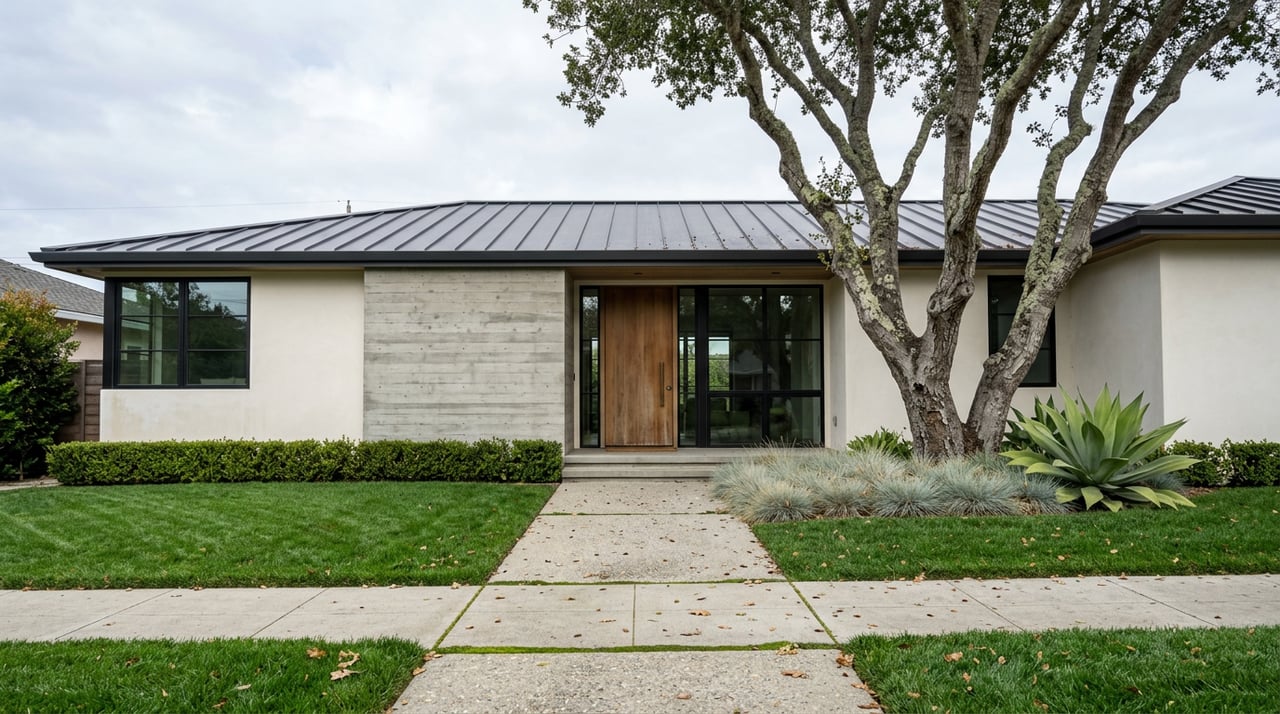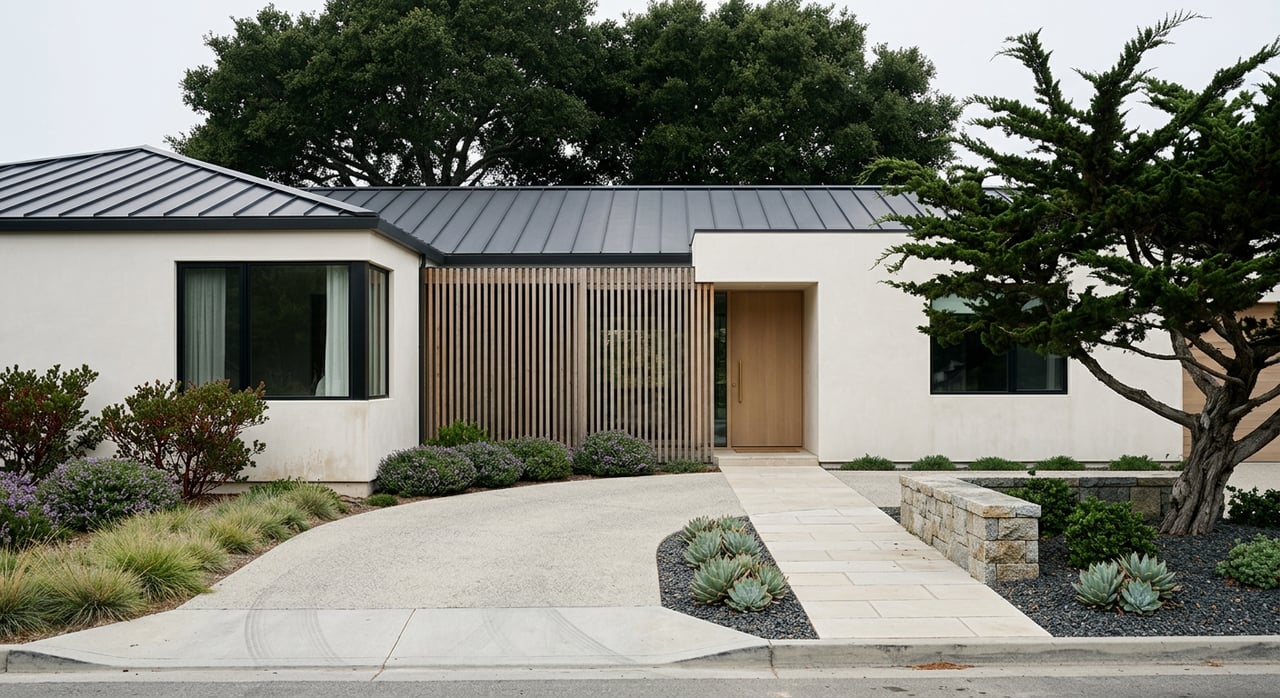
Picture this: you slip through the forest along 17-Mile Drive, unlock your door, and step into ocean air and quiet pines. If you are considering a second home in Pebble Beach, you are not alone. The opportunity is special, but the decisions are detailed. In this guide, you will learn how local rules, financing, taxes, insurance, and day-to-day logistics shape a smart purchase. Let’s dive in.
Why Pebble Beach for a second home
Pebble Beach sits inside the Del Monte Forest on the Monterey Peninsula. It is a luxury, low-inventory market where one or two sales can move averages. That small sample size makes comps and pricing guidance more nuanced than in larger suburbs. You will want an agent who understands parcel-level context and recent neighborhood activity.
Beyond price, Pebble Beach offers private roads, resort amenities, celebrated golf, and a forested, coastal setting. Those same qualities come with layered governance and rules that affect how you use the property. Understanding those layers early will save you time and money.
Decide how you will use the home
Personal use most of the year
If you want a retreat for family and friends with limited or no renting, the path is simpler. You still need to confirm any recorded covenants and architectural rules for the specific lot. Insurance, property taxes, and maintenance will be your main ongoing costs.
Limited short-term rental
Under Monterey County’s vacation-rental program, there are categories for limited rentals with licensing, operational standards, and area-specific caps. Start with the county’s official vacation-rental page for current rules, permit steps, and area maps. You will also need to confirm whether your lot’s recorded covenants and Pebble Beach Company practices allow any renting at all.
- Review county program details and permitting on the Vacation Rentals page: Monterey County vacation rentals
- Check lot-level CC&Rs and owner guidance with the Del Monte Forest Property Owners: DMFPO FAQs
Regular short-term rental
Commercial or frequent STRs face the most friction in Pebble Beach. County coastal rules include caps on unhosted rentals in planning areas, and the county notes active litigation and phased implementation. Separately, recorded covenants and Pebble Beach Company consent practices can block STR use even if the county would otherwise permit it. The bottom line is simple. Do not assume a county permit equals permission to rent.
Clear these three rule sets before you buy
1) County vacation-rental rules
Monterey County requires licensing, a 24/7 local contact, quiet hours, occupancy limits, neighbor notices, and Transient Occupancy Tax registration. The county distinguishes homestay, limited, and commercial rentals, and it maps where each is allowed or capped. Because implementation and litigation have evolved since 2024, always verify the current status for the exact parcel on the county site: Monterey County vacation rentals.
2) Pebble Beach Company and CC&Rs
Many Pebble Beach lots are subject to recorded CC&Rs and the Pebble Beach Company’s architectural review. Owner groups report that PBC historically treats vacation rentals as a commercial use that needs consent. If PBC does not grant consent, the county may not issue a permit. Confirm the recorded documents and current PBC practice for any property with your agent and title team. Start here: DMFPO FAQs.
3) HOAs, Conservancy and local services
Depending on location, you may encounter HOA rules, private road obligations, or service-district conditions for water and wastewater. Open space inside the forest is managed by local agencies, which can influence use and access near conserved parcels. For context on private roads and visitor access policies, review the Pebble Beach Company site terms: Pebble Beach terms of service.
Financing and taxes for a second home
Second-home loan basics
Lenders define a true second home as a one-unit property you occupy part of the year, suitable for year-round use, and not in a rental pool or management agreement that cedes control. If you plan frequent rentals or sign ongoing management contracts, many lenders will classify it as an investment property, which usually means a bigger down payment, higher rates, and larger reserves. Review agency guidance early and confirm a lender’s specific overlays: Freddie Mac Selling Guide excerpt.
Typical expectations include 10 to 20 percent down, with higher requirements for jumbo loans, plus several months of reserves. Listing the property on STR platforms or reporting rental income can trigger reclassification. Talk with your lender before you set any rental plan.
Property taxes under Prop 13
California’s Prop 13 sets a 1 percent general tax on assessed value, plus voter-approved local assessments and bonds. Your base assessment is set at purchase and can rise by up to 2 percent each year. Effective rates vary by parcel, so always pull the current tax bill for modeling. For a plain-English overview, see this Prop 13 explainer: How Prop 13 works.
Renting and Transient Occupancy Tax
If you operate a permitted STR, Monterey County requires TOT registration and regular remittance. This is in addition to your rental license and operating standards. Find current TOT requirements and forms here: Monterey County TOT.
Federal tax basics for vacation homes
IRS rules matter if you plan any renting. The “fewer than 15 days” rule can make limited rental income tax-free, and mixed-use homes require careful expense allocation. Read the IRS guide and keep precise records of personal versus rental days: IRS Publication 527.
Insurance, hazards and water
Insurance market reality
California’s homeowners insurance market has shifted in recent years, and coastal or wildfire exposure can affect availability and price. Some properties rely on the FAIR Plan with additional wrap-around coverage. Get quotes for the specific parcel before you write an offer and include optional flood or earthquake coverage where appropriate: California homeowners insurance overview.
Parcel-level hazard checks
Ask your agent to pull Monterey County GIS layers for fire hazard, flood, erosion, and related overlays for every candidate property. This helps you assess insurability, mitigation work, and long-term risk. Explore the county’s published mapping layers: Monterey County GIS parcel layers.
Water supply and future plans
The Monterey Peninsula’s water supply has been constrained, with recycled water projects and desalination proposals shaping future availability. Water service and meter allocations can affect remodel plans and operating costs. Request a current water-availability or hookup letter from the local provider and review regional context here: MPWMD water supply background.
Operating from afar and budgeting smart
Maintenance and management
A common rule of thumb is to budget 1 to 2 percent of property value each year for maintenance, with coastal homes often on the higher end due to salt air and luxury finishes. Plan for exterior paint and decking more frequently. If you intend to rent, vacation-rental managers typically charge a higher fee to cover dynamic pricing, guest services, cleaning coordination, and 24/7 support. Those costs can make occasional renting uneconomic unless nightly rates and occupancy are strong.
- Vacation-rental management fees often fall between 15 and 30 percent depending on services: Management fee ranges
Compliance and local response
Monterey County requires a 24-hour local contact for permitted STRs who can respond quickly to complaints. Out-of-area owners should set up a reliable vendor roster that includes a property manager or caretaker, plumber, electrician, landscaper, cleaner, locksmith, and security provider. Failing to meet response requirements can trigger enforcement action. Confirm standards here: County vacation-rental program.
Guest and vendor access
Pebble Beach’s private roads and gate controls can add steps for guest passes, vendor access, and parking logistics. Before you rent or host large gatherings, confirm current gate, pass, and parking policies, and whether any fees apply: Pebble Beach terms of service.
Due diligence checklist for Pebble Beach buyers
Use this quick list during your search and escrow. Ask your agent to assemble these items for each property you are serious about.
- Recorded CC&Rs, architectural guidelines, and any Pebble Beach Company consent requirements. Start with owner guidance: DMFPO FAQs
- County permitability for vacation rentals, category limits, and current litigation or enforcement notes: Monterey County vacation rentals
- Parcel hazard report: fire hazard severity, flood layers, and erosion overlays: Monterey County GIS layers
- Water availability or hookup letter and billing structure: MPWMD background
- Insurance quotes for homeowners, optional flood, and earthquake coverage: California insurance overview
- Lender pre-approval and second-home underwriting terms, including reserves and occupancy rules: Freddie Mac guide excerpt
- If renting is planned: county TOT registration and an operational plan for quiet hours, trash, parking, and a 24/7 local contact: Monterey County TOT and County rental program
- Tax planning for mixed personal and rental use: IRS Publication 527
Pebble Beach vs nearby options
Carmel-by-the-Sea and nearby cities each run their own short-term rental regimes. Some areas prohibit STRs in most residential zones, while others offer distinct permits. Unincorporated Pebble Beach sits under county coastal rules plus PBC and CC&R considerations, which often limit commercial STRs. If you want the simplest rental path, jurisdiction will shape your options.
The bottom line
Pebble Beach delivers a rare mix of privacy, resort energy, and coastal beauty. To buy with confidence, decide how you will use the home, clear county and PBC rules early, and budget for insurance, taxes, and professional upkeep. With the right plan and local guidance, you can enjoy the forest and shoreline on your terms.
If you are exploring a second home in Pebble Beach, let a third-generation local guide you through parcel-specific rules, comps, and logistics. Reach out to Peter Boggs for a private consultation.
FAQs
What are Pebble Beach short-term rental rules right now?
- Monterey County requires licensing, operational standards, and TOT for STRs, and coastal caps apply in some areas; always verify parcel status on the county vacation-rental page before you plan to rent.
Do I need Pebble Beach Company consent to rent my home?
- Many lots have CC&Rs and PBC review that can prohibit or condition vacation rentals, so you should confirm recorded documents and current PBC practices for the specific property.
How are second-home loans different from investment loans?
- Second-home loans require owner occupancy part of the year and no rental-pool or control-sharing agreements, while investment loans typically require larger down payments, higher rates, and more reserves.
How does Prop 13 affect my Pebble Beach property taxes?
- Your assessed value is set at purchase with a 1 percent general tax plus local assessments, and it can increase up to 2 percent per year, so modeling the actual parcel bill is key.
What insurance should I budget for a coastal second home?
- Get quotes early for homeowners coverage, and consider optional flood and earthquake policies, since coastal and wildfire risks can affect availability and price.
Do water constraints affect remodels or additions in Pebble Beach?
- Yes, water availability and meter allocations can limit changes in use, so request a current water-availability or hookup letter from the provider before committing to plans.