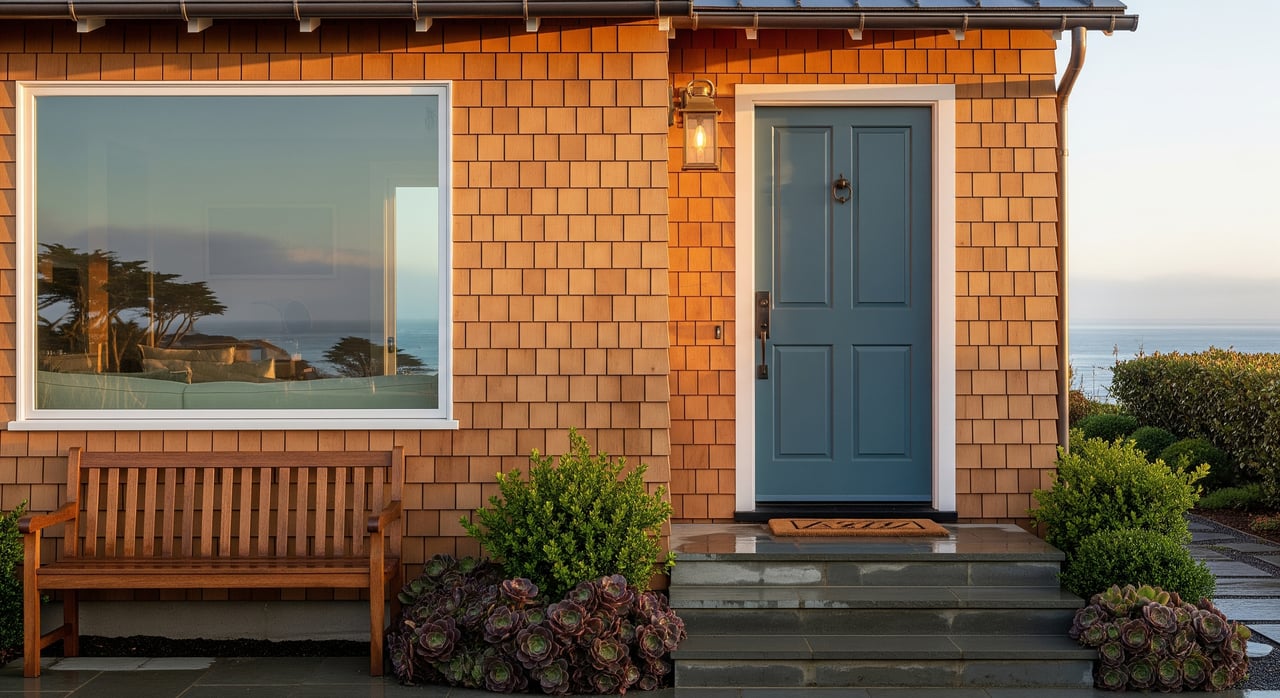
Salt air is part of the magic in Carmel-by-the-Sea, but it is tough on homes. If you live close to the ocean or even a few blocks inland, that fine salt mist and steady marine layer can speed up wear on metal, paint, windows, decks, and HVAC equipment. You want to protect your investment without turning home care into a full-time job. This guide gives you a clear, local plan to prevent corrosion, extend the life of major systems, and keep your home looking its best. Let’s dive in.
Why salt air hits Carmel homes
Carmel’s cool, maritime climate brings frequent fog, onshore winds, and steady moisture. That combination carries salt spray inland and keeps surfaces damp, which accelerates corrosion and finish breakdown compared with inland areas. Even if you are not on the bluff, your home still faces higher exposure than non-coastal locations.
Salt spray intensity drops with distance from the shoreline, but wind direction and topography matter. Ocean-facing elevations and windward walls see the most salt. Strategic landscaping and screens that reduce wind and spray can meaningfully lower maintenance needs.
What salt does to your home
- Metals: Chlorides plus moisture lead to rust on steel, pitting on stainless and aluminum, and galvanic corrosion where dissimilar metals touch.
- Finishes: Exterior paint can chalk, blister, and lose adhesion faster; UV and salt together speed up fading.
- Windows and doors: Hinges, locks, rollers, and tracks corrode; weatherstripping and sealants break down sooner.
- Decks and wood: Salt holds moisture against wood, increasing rot risk and surface wear.
- HVAC: Outdoor condensers, coils, and cabinets corrode; salt buildup reduces efficiency and shortens equipment life.
- Electrical: Deposits on outdoor connections can increase leakage and cause premature failure.
Choose materials that last near the sea
Metals, hardware, and fasteners
Selecting the right metals reduces surprise failures and staining.
- Use 316 stainless steel for exposed fasteners, railings, and hardware in salt spray. It resists pitting better than 304 in chloride environments.
- Choose hot-dip galvanized steel for structural uses and pair it with quality topcoats where possible.
- For aluminum, look for anodized or high-quality powder-coated finishes that meet AAMA 2604 or 2605 performance.
- Avoid brass or zinc-heavy alloys for critical exterior fasteners, which can suffer dezincification.
- Match metals to avoid galvanic corrosion. Do not place stainless in direct contact with copper or brass without proper isolation.
- Inspect exposed hardware every 3 to 6 months and replace compromised fasteners with 316 stainless.
Exterior paints and coatings
Coastal paint systems should be treated as protective armor.
- On metal, pair a zinc-rich or epoxy primer with a high-performance polyurethane or marine-grade acrylic topcoat.
- For aluminum, specify AAMA 2604/2605 finishes or comparable high-performance coatings.
- Preparation matters. Wash off salt residue, let surfaces dry fully, and follow manufacturer primers and recoat windows.
- Expect shorter repaint cycles than inland homes. Inspect annually for blistering, chalking, or early edge corrosion and spot-repair right away.
Windows, doors, and glazing
Frames and hardware make a big difference in longevity.
- Fiberglass and vinyl frames perform well in coastal settings. If you prefer aluminum, specify durable anodized or AAMA-rated powder coatings with thermal breaks.
- Use 316 stainless or coated hardware for locks, hinges, and rollers. Avoid bare, untreated steel.
- Clear weep holes and drainage paths at least quarterly so salt and grit do not trap moisture in the frames.
- Lubricate hardware with a silicone or PTFE-based product every 6 to 12 months. Avoid oils that attract dirt and salt.
Decks, railings, and exterior wood
Pick materials based on exposure level and how much upkeep you want.
- Natural wood like cedar or redwood has inherent decay resistance but still needs regular sealing near the coast. Pressure-treated lumber resists rot but requires compatible stainless or hot-dip galvanized hardware.
- Capped composite decking offers lower ongoing finishing needs and stable performance in a marine climate. It can still stain or get hot in direct sun, so routine cleaning matters.
- PVC decking is highly corrosion resistant, though it can be more flexible and show surface scratches.
- For railings, use 316 stainless or powder-coated aluminum with marine-grade finishes.
- Inspect fasteners, joists, ledger connections, and flashing annually to prevent hidden rot or corrosion.
HVAC and mechanical equipment
Salt is rough on coils and cabinets, but smart choices extend equipment life.
- Select units with factory corrosion protection, such as coated coils, stainless fasteners, and powder-coated cabinets. Many brands offer coastal packages.
- Place outdoor units away from prevailing ocean winds when possible, elevate them on pads, and use barriers or landscaping that reduce direct spray while keeping airflow clear.
- Rinse condenser coils with fresh water every 1 to 3 months during high exposure periods. Schedule professional HVAC service annually, or twice yearly if your home is ocean-facing.
Simple cleaning and prevention you can do
Small, consistent steps beat major repairs.
- Rinse: A fresh-water rinse is your most effective habit. For ocean-facing surfaces, rinse monthly to bi-monthly. For sheltered areas, rinse quarterly.
- Wash: Use mild detergent when needed, then rinse thoroughly. Avoid abrasive scrubbers on coated surfaces.
- Lubricate: Keep hinges, locks, and rollers moving with silicone or PTFE lubricant. Clean parts first.
- Replace: Swap out corroding fasteners and small parts with 316 stainless as soon as you see pitting.
- Touch up: Repair paint chips or scratches promptly to prevent undercutting and rust spread.
- Drainage: Keep gutters, downspouts, and deck drains clear so salt and moisture do not linger.
- Document: Keep a simple maintenance log to track when you rinsed, lubricated, repainted, or serviced equipment.
Seasonal coastal maintenance checklist for Carmel
Use this schedule as a starting point and adjust for your exposure level.
Monthly for ocean-facing homes
- Fresh-water rinse of railings, decks, siding, windowsills, outdoor furniture, and HVAC condensers.
- Clear debris from gutters and deck drains.
- Quick visual scan for rust blooms, loose fasteners, or peeling paint.
Every 3 months
- Clean window and door tracks and weep holes; lubricate hardware.
- Inspect exterior paint for blistering or chalking; spot-repair small areas.
- Check the outdoor HVAC unit for salt buildup and rinse as needed.
Semi-annually in spring and fall
- Inspect roof flashings, chimneys, and siding seams for sealant gaps; reseal where needed.
- Check deck ledger connections and under-deck framing for corrosion and rot.
- Schedule professional HVAC service for coil cleaning, filter changes, and electrical checks.
Annually
- Arrange professional inspections of major systems, including HVAC, plumbing, and roof.
- Recoat or refinish high-exposure metal and wood based on condition.
- Replace any pitted or compromised hardware and fasteners.
After storms or heavy marine aerosol events
- Rinse exposed surfaces right away and recheck vulnerable hardware, sealants, and drains.
Planning projects and permits near the coast
Before you change exteriors, windows, decks, or equipment placement, check local building requirements for Carmel-by-the-Sea and Monterey County. Properties in the coastal zone can have additional standards for materials, flashing details, and exterior appearance. When in doubt, consult the local building department early in your planning.
Hire licensed contractors with coastal experience. Pros who work regularly on the Monterey Peninsula understand wind exposure, drainage, and how to detail metals and sealants so they last. Ask about material specs such as 316 stainless fasteners, AAMA 2604/2605 finishes, marine-grade paint systems, and HVAC coil coatings.
Smart upgrades with strong payoff over time
- Replace failing hardware with 316 stainless incrementally to stop staining and prevent fastener breakage.
- Repaint with a marine-grade system before large-scale peeling, which reduces prep costs and preserves substrates.
- Upgrade decks in high-spray zones to capped composite or PVC to reduce frequent sealing.
- Select or retrofit HVAC units with coated coils and corrosion-resistant cabinets to extend service life.
- For window and door replacements, specify fiberglass or vinyl frames with high-performance hardware and robust drainage.
Local exposure tips for Carmel-by-the-Sea
- Ocean-facing walls and balconies need more frequent rinsing and inspections than courtyard or leeward sides.
- Landscaping can act as a gentle wind and spray buffer. Maintain plantings so they do not trap salt against siding or block airflow around HVAC units.
- Orientation and height matter. Upper stories and ridge lines can see more wind and aerosol, so prioritize those areas for early touch-ups and fastener checks.
Caring for a coastal home in Carmel-by-the-Sea does not have to be complicated. With the right materials, a simple rinse-and-inspect routine, and a seasonal plan, you can enjoy the sea air while keeping corrosion in check. If you are weighing upgrades before a sale or want a second home to be as low-maintenance as possible, we can help you prioritize improvements that protect value and show beautifully.
Ready to align your maintenance plan with your home goals or prep for market? Connect with Peter Boggs for local guidance and a clear next step.
FAQs
How often should I rinse a Carmel coastal home?
- For ocean-facing or windward surfaces, rinse monthly to bi-monthly; for sheltered areas, rinse quarterly to remove salt deposits before they cause damage.
What fasteners last longest in salt air near the ocean?
- Use 316 stainless steel for exposed fasteners and hardware, or hot-dip galvanized steel where stainless is not practical, and avoid mixing dissimilar metals.
Are composite decks better than wood in Carmel’s climate?
- Capped composite generally needs less finishing and handles coastal exposure well, while natural wood looks great but needs more frequent sealing and inspections.
How do I protect my HVAC unit from salt corrosion?
- Choose a unit with coil and cabinet corrosion protection, place it away from prevailing winds, rinse coils every 1 to 3 months, and schedule professional service annually.
When should I repaint exterior surfaces near the coast?
- Inspect annually and plan on shorter repaint cycles than inland homes; spot-repair at the first sign of chalking or blisters to prevent undercutting and rust.
What does “marine-grade” stainless steel mean for hardware?
- Marine-grade commonly refers to 316 stainless, which includes molybdenum to resist chloride pitting better than 304 in salt-air environments.
Do I need permits for coastal exterior upgrades in Carmel-by-the-Sea?
- Many exterior changes require local approvals, and coastal zone properties can have added standards, so check with the building department early in your planning.